What Your Makeup Routine Reveals About the Way You Begin Your Day
The way you apply your makeup in the morning is rarely random. It may feel habitual, even automatic, yet beneath that familiarity lies structure. A makeup routine is choreography. It reflects how you manage time, how you handle pressure, and how you negotiate between efficiency and expression before the world sees you.
Long before the first meeting, errand, or commute begins, the morning quietly establishes tone. Some mornings unfold with intention. Others accelerate quickly, demanding adaptation. Your makeup routine often mirrors that rhythm more honestly than you realize.
When examined carefully, a makeup routine reveals more than aesthetic preference. It exposes how you structure your day, how you prioritize your energy, and how you respond to external expectations.
The Structured Minimalist: Calm Before Momentum
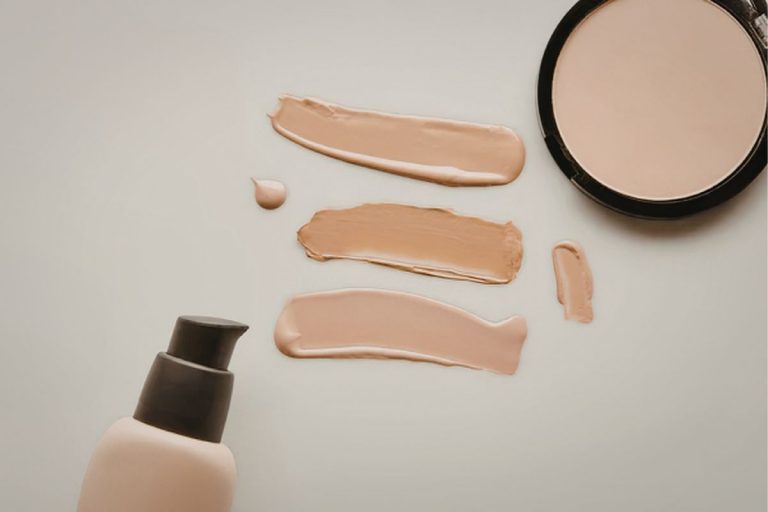
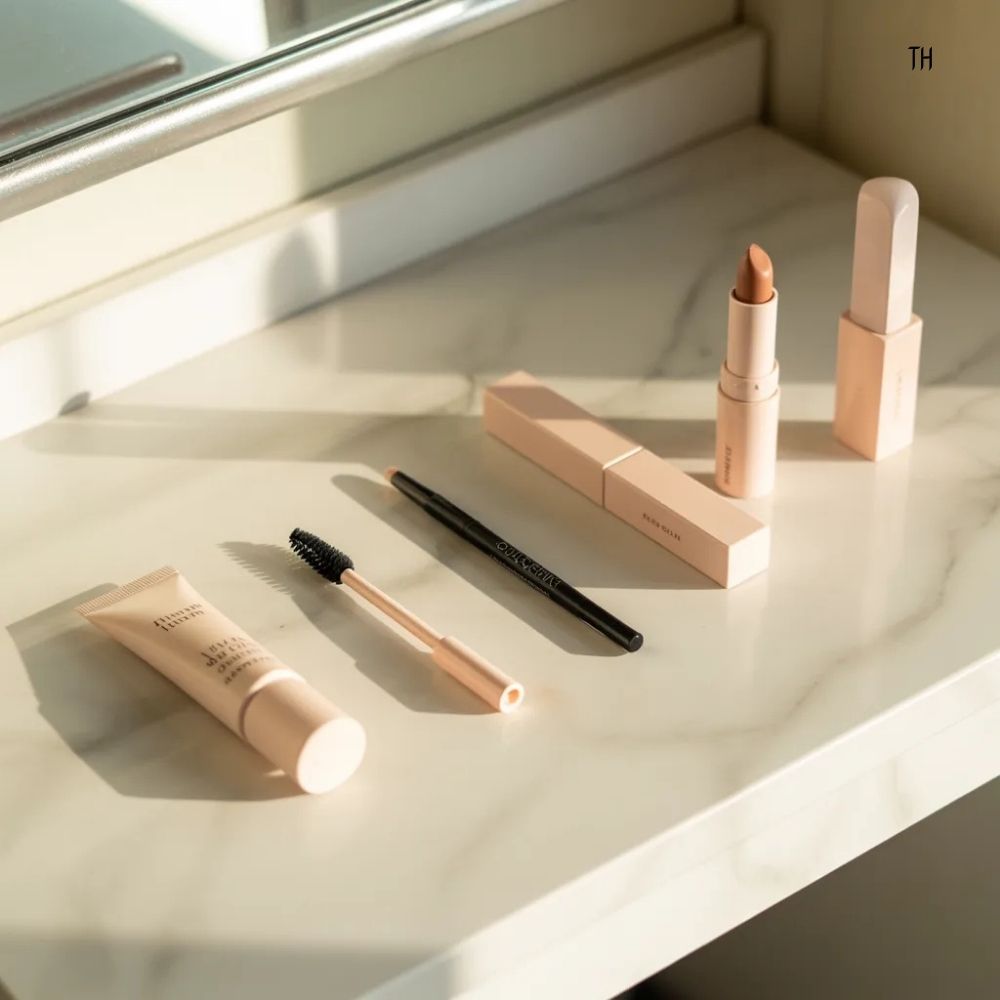
If your makeup routine rarely changes and follows a predictable sequence, you likely value stability in your mornings. Perhaps you reach for the same tinted moisturizer, the same brow gel, the same neutral lipstick without hesitation. The products are arranged in order of use. The time required is consistent.
This kind of makeup routine suggests that you prefer to minimize decision-making early in the day. Instead of experimenting at 7:30 a.m., you conserve mental energy for what follows. Repetition, in this context, is not dullness. It is strategy.
People with this approach often structure their mornings carefully. Coffee is brewed at the same time. Outfits are selected efficiently. The makeup routine becomes an anchor rather than an event.
There is confidence in predictability. When the routine is reliable, it supports clarity. Instead of asking whether the blush placement is different today, you can focus on the conversation ahead.
The Expressive Experimenter: Creativity as Momentum
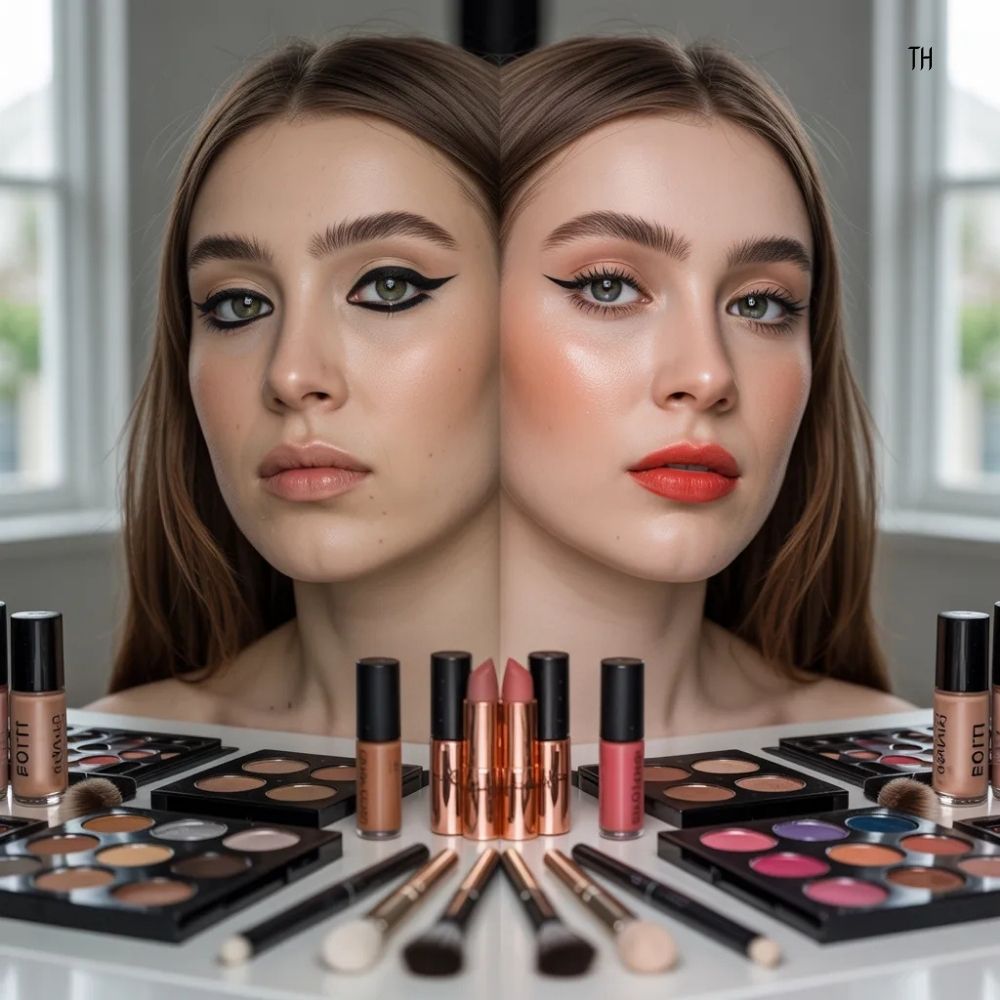
At the opposite end of the spectrum is the person whose makeup routine shifts with mood. One morning calls for graphic eyeliner. Another favors barely-there skin and bold lips. Products rotate. Techniques evolve.
This style of makeup routine suggests that mornings are not merely functional transitions, but creative opportunities. Expression generates energy. Rather than draining time, experimentation creates momentum.
For these individuals, the makeup routine is part of identity construction. It may reflect music, current cultural influences, or internal emotion. There is less emphasis on efficiency and more on alignment.
Interestingly, this approach often correlates with flexible mornings. Time may be carved out intentionally to allow for creativity. The routine itself becomes a ritual of transformation.
The Five-Minute Essentialist: Function Over Flourish
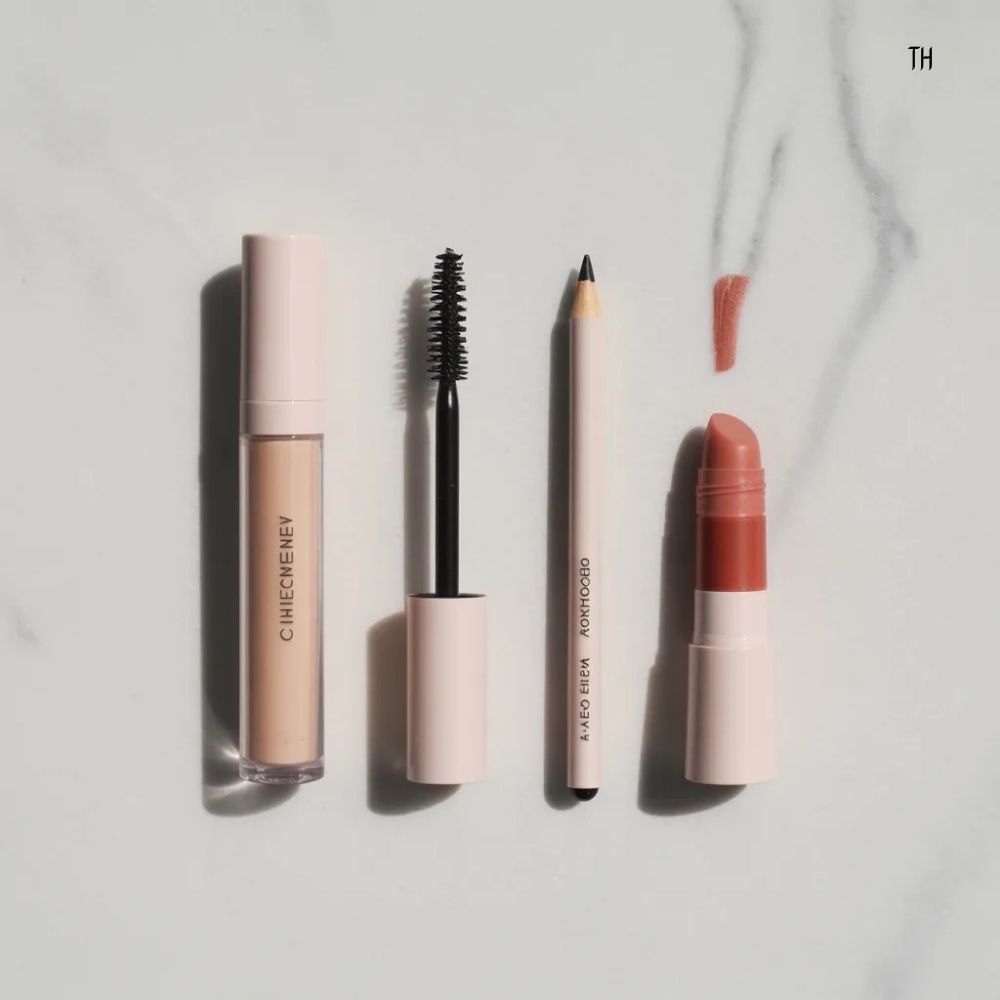
Some makeup routines are compact by necessity. A five-minute application includes concealer, mascara, brows, and lip balm. Nothing more. Each product has a specific purpose.
This version of a makeup routine often reflects prioritization. Perhaps the morning includes childcare, an early commute, or back-to-back commitments. Efficiency becomes non-negotiable.
However, this approach does not indicate indifference to beauty. Instead, it suggests clarity. You know which steps produce the most visible impact and which can be omitted without compromising confidence.
There is a subtle elegance in this restraint. A makeup routine that operates within strict time boundaries often reflects a person who understands leverage. Small adjustments can produce meaningful results.
The High-Precision Planner: Detail as Preparation
There are mornings when a makeup routine feels meticulous. Foundation is blended thoroughly. Contour is placed with intention. Eyeshadow transitions are softened with care. Setting spray seals the look.
This type of makeup routine may indicate that preparation provides reassurance. Attention to detail creates a sense of control before stepping into unpredictable environments.
For some, the act of applying makeup carefully becomes meditative. It slows the morning rather than accelerates it. It establishes readiness.
A high-precision makeup routine often appears before significant events. Presentations, interviews, or formal gatherings can invite extra refinement. The added detail reflects not vanity, but preparation.
The Evolving Routine: Adaptation in Real Time
Many people do not fit neatly into one category. Their makeup routine evolves depending on the day’s demands. On lighter days, minimal coverage feels sufficient. On demanding days, structure increases.
This adaptability suggests emotional intelligence. The makeup routine becomes responsive rather than rigid. It aligns with schedule, mood, and external expectation.
The key insight is that a makeup routine often tracks stress levels. When time compresses, steps shrink. When time expands, creativity returns. Observing these shifts without judgment reveals how closely beauty rituals intertwine with daily rhythm.
Makeup Routine as Cognitive Framing
Psychologically, a makeup routine can function as cognitive framing. Repetition signals the brain that the transition from private to public self is underway. The sequence of steps creates rhythm.
For some, applying foundation marks the start of productivity. For others, brushing brows signals readiness. The act itself becomes symbolic.
Morning rituals have long been associated with improved focus. A consistent makeup routine can operate similarly, especially when it is calm and predictable.
When routines become chaotic or rushed, the effect changes. Stress transfers into application. Blending feels hurried. Decisions feel reactive. The structure of the makeup routine therefore influences emotional tone.
The Role of Environment
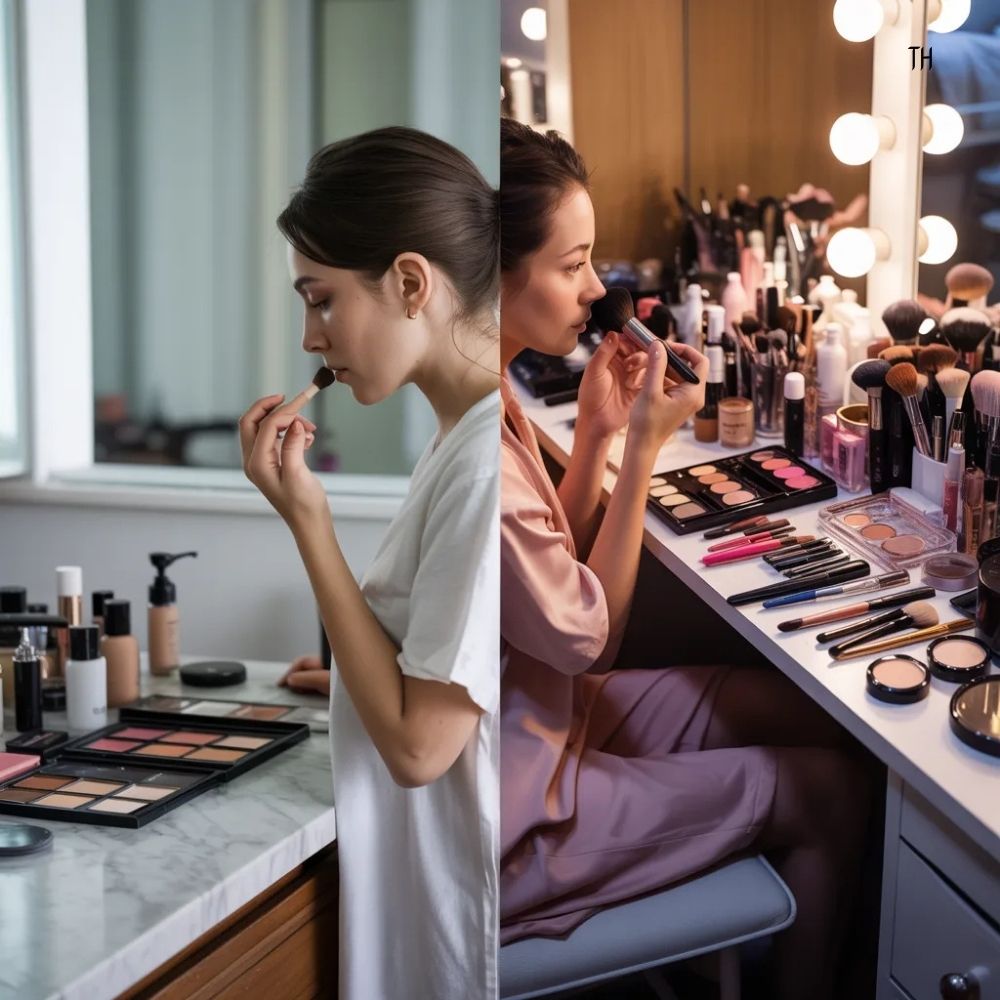
Where you apply your makeup also reveals something about your morning. A well-lit vanity with organized products suggests intentional preparation. A compact bag opened at a train station reflects mobility. A shared bathroom with limited space introduces negotiation.
Environment shapes behavior. When products are accessible and arranged logically, the makeup routine feels fluid. When products are scattered, frustration increases.
Organization, therefore, becomes part of the ritual. A streamlined environment supports a streamlined routine.
Cultural Influence on the Morning Face
Cultural trends influence what a makeup routine signals socially. In certain professional environments, polished makeup may reflect preparedness. In creative industries, individuality may carry more weight.
The modern landscape also blurs lines between personal and public spaces. Video calls bring faces into constant visibility. Social media creates visual documentation of ordinary days.
This visibility influences how much time is allocated to a makeup routine. Increased exposure often correlates with increased attention. Understanding this context helps explain why routines expand or contract over time.
When the Makeup Routine Becomes Overloaded
It is worth acknowledging that a makeup routine can also become excessive. If every morning requires layering multiple primers, correcting minor imperfections repeatedly, and adjusting for perceived flaws, the routine may signal anxiety rather than expression.
There is a difference between thoughtful preparation and defensive application. When the makeup routine feels compulsory or overly corrective, it may be reflecting deeper pressures.
Recalibrating such a routine often involves asking whether each step genuinely enhances or simply compensates for perceived inadequacy. Clarity restores balance.
Designing a Makeup Routine That Supports Your Morning
If a makeup routine reflects your morning mindset, then it can also reshape it. Adjusting the structure of the routine can shift the tone of the day.
Consider simplifying steps that add minimal value. Streamline product selection so that decisions feel automatic rather than draining. Identify one or two elements that bring enjoyment, whether that is blush placement or lip color.
The goal is alignment rather than replication of someone else’s standard. A well-designed makeup routine should feel supportive. It should neither overwhelm nor under-serve you.
The Quiet Confidence of Familiarity
There is a particular calm that comes from familiarity. When your hand reaches for the same brush and the same foundation, muscle memory replaces hesitation. The result may not be experimental, but it is consistent.
Consistency reduces friction. Reduced friction creates ease. Ease, in turn, shapes how you enter conversations and tasks. The makeup routine may be brief, but its psychological impact can extend across the entire day.
Final Reflection
Your makeup routine is more than a cosmetic sequence. It is a reflection of how you begin. It reveals whether your mornings are structured or spontaneous, compressed or expansive, expressive or efficient.
There is no superior version. The insight lies in awareness. When you understand what your makeup routine signals about your morning, you gain the opportunity to refine it intentionally. You can simplify when necessary, elaborate when inspired, and recalibrate when the rhythm changes.
Beauty, at its best, aligns with life rather than competing with it. The morning is not a performance stage. It is a transition. Your makeup routine simply marks the moment when you step forward.