Mineral Sunscreens That Truly Disappear on the Skin
For years, mineral sunscreen carried a reputation that felt both deserved and unfair. It was positioned as the responsible choice, the dermatologist-approved option, the one you wore for protection rather than pleasure.
Yet for many people, especially those with medium to deep skin tones, it also meant accepting an unavoidable compromise: the white cast. The chalky finish, the muted undertones, the gray veil that seemed impossible to blend away. Even when protection was excellent, the aesthetic experience often felt disappointing.
Today, that narrative is shifting in meaningful ways. Modern mineral sunscreen formulas are dramatically more refined than their predecessors. Advances in zinc oxide dispersion, microfine particle engineering, and cosmetic formulation have transformed the category.
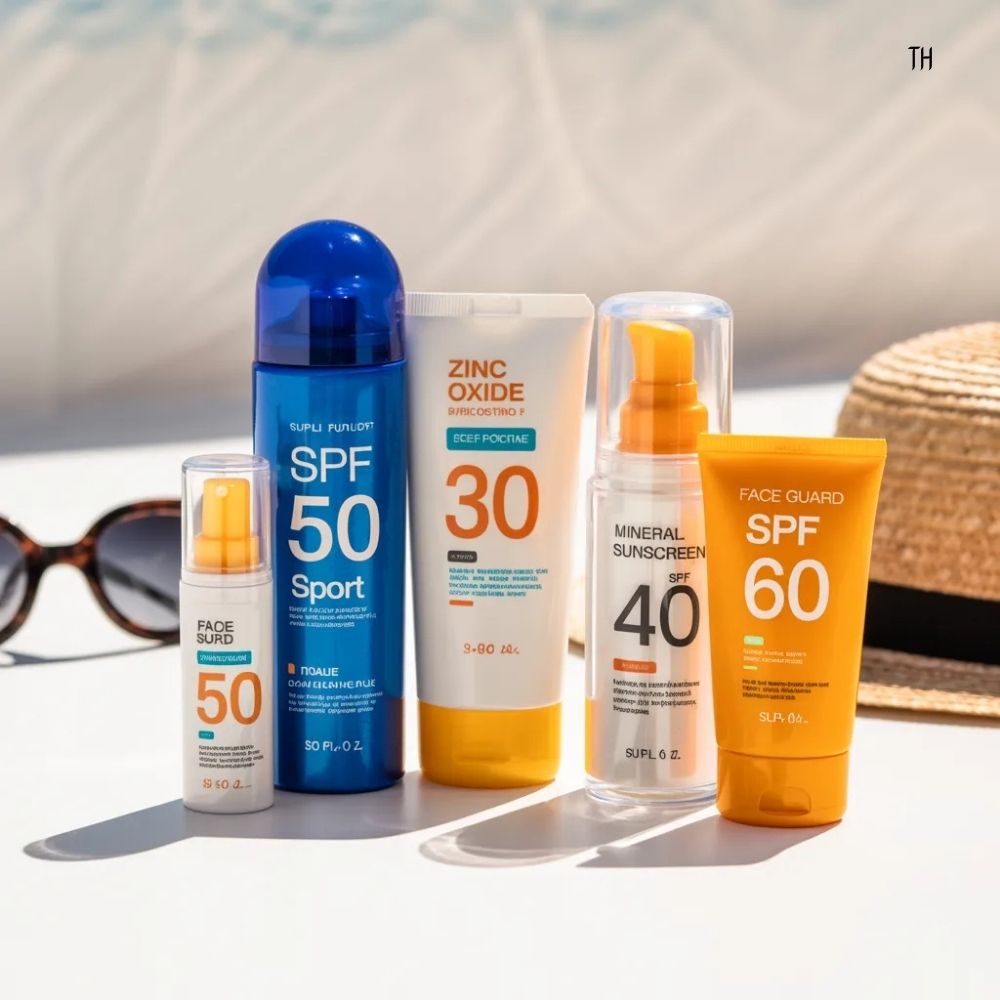
The best mineral sunscreen products now offer broad-spectrum protection while blending into the skin so seamlessly that the idea of a no white cast finish is no longer unrealistic.
The real question is not whether mineral sunscreen works. It does. The question is which formulas genuinely deliver protection without leaving a white cast, and how to choose one that aligns with your skin tone, skin type, and daily routine.
Why Mineral Sunscreen Has Historically Left a White Cast
To understand why mineral sunscreen once felt cosmetically limiting, it helps to look at its active ingredients.
Mineral sunscreen relies primarily on zinc oxide and titanium dioxide. These ingredients sit on the surface of the skin and reflect or scatter ultraviolet radiation. Zinc oxide, in particular, is valued for its ability to protect against both UVA and UVB rays, making it a cornerstone of broad-spectrum coverage.
However, zinc oxide is naturally white. In order to provide meaningful UV protection, it must be used in sufficient concentration. Earlier mineral sunscreen formulations used larger, more opaque particles, which made the white cast especially visible, particularly on darker skin tones.
On fair skin, this could appear as subtle dullness. On deeper complexions, it often resulted in a visible gray or ashy layer that altered undertones and texture.
Modern formulations have improved significantly. Micronized zinc oxide, improved coating techniques, and advanced emulsions allow mineral sunscreen to spread more evenly and absorb more transparently. The result is a formula that protects without visibly masking the skin.
What “No White Cast” Actually Means
When people search for mineral sunscreen with no white cast, they are usually seeking a formula that blends into their natural skin tone without altering its depth or undertone. However, it is important to define the phrase accurately.
“No white cast” does not mean the sunscreen vanishes instantaneously or leaves no visual change at all. It means that when applied in the correct amount and blended properly, the formula does not leave a noticeable chalky residue.
It should not make medium or deep skin appear gray. It should not leave fair skin looking pale or washed out. It should integrate smoothly, allowing the skin to look like itself. True no white cast mineral sunscreen preserves complexion rather than covering it.
The Role of Tint in Eliminating White Cast
Tinted mineral sunscreen has become one of the most effective solutions for eliminating white cast. By incorporating iron oxides, which provide pigment, formulators can counterbalance the natural opacity of zinc oxide.
Tint does more than correct color. Iron oxides also provide protection against visible light, which can contribute to hyperpigmentation, especially in melanin-rich skin.
For many people, tinted mineral sunscreen offers both cosmetic elegance and additional functional benefits. It can replace light foundation on minimal makeup days while maintaining protection.
However, tint must be thoughtfully designed. A poorly matched tint can create a new problem if it does not align with the wearer’s undertone. The most successful tinted mineral sunscreen formulas are sheer enough to adapt while still neutralizing white cast effectively.
The Best Mineral Sunscreens That Deliver a No White Cast Finish
After evaluating texture, blendability, finish, and protection, these mineral sunscreen options stand out for consistently delivering minimal to no white cast across a range of skin tones.
EltaMD UV Clear Broad-Spectrum SPF 46
EltaMD UV Clear is frequently recommended by dermatologists for sensitive and acne-prone skin. It uses transparent zinc oxide and includes niacinamide to calm redness and support the barrier.
The formula is lightweight, spreads easily, and blends well into most skin tones without leaving a visible white cast. It layers smoothly under makeup and does not pill, which makes it ideal for daily use.
La Roche-Posay Anthelios Mineral Tinted SPF 50
This tinted mineral sunscreen offers strong protection with a fluid texture that blends quickly. The universal tint helps offset zinc’s natural opacity and reduces the risk of a gray finish.
It works particularly well for those concerned about hyperpigmentation and uneven tone, as the tint subtly evens complexion while eliminating white cast concerns.
Black Girl Sunscreen Make It Mineral SPF 45
Designed specifically to address the white cast issue on melanin-rich skin, this mineral sunscreen prioritizes transparency and hydration. The finish remains luminous without appearing greasy.
Its formulation demonstrates how thoughtful design can eliminate white cast without sacrificing protection.
Supergoop Mineral Sheerscreen SPF 30
Supergoop’s Sheerscreen offers a smooth, makeup-friendly base. The zinc oxide is finely milled, allowing for improved blendability.
The finish is natural and slightly radiant, which makes it suitable for normal to dry skin types seeking a mineral sunscreen without visible residue.
Colorescience Sunforgettable Total Protection Face Shield Flex SPF 50
This mineral sunscreen incorporates adaptive pigments that adjust to skin tone during blending. The technology minimizes white cast and provides a sheer tint that enhances complexion rather than masking it. For those seeking both protection and subtle coverage, this formula offers a strong balance.
Application Technique Matters More Than You Think
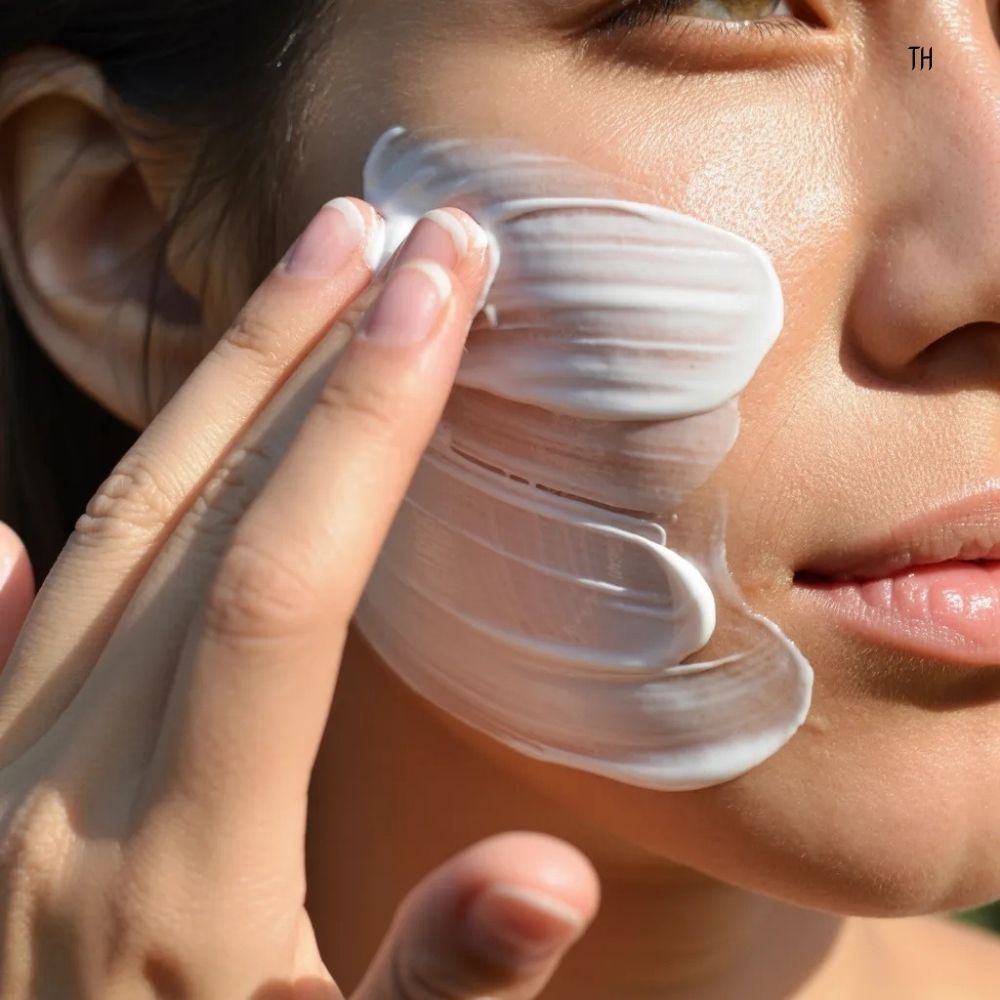
Even the best mineral sunscreen can leave a white cast if applied incorrectly. Technique influences finish.
Applying in thin layers rather than one heavy layer allows the product to disperse evenly. Gentle blending rather than aggressive rubbing ensures even distribution.
The recommended amount for the face remains approximately two finger-lengths of product. Reducing quantity to avoid white cast compromises protection. Instead, choose a formula that supports full application without residue.
Allowing mineral sunscreen to settle for a few minutes before applying makeup further improves finish and reduces texture interference.
Mineral Sunscreen and Skin Type Compatibility
Skin type plays a significant role in how mineral sunscreen performs.
- Dry skin benefits from hydrating formulas containing glycerin, hyaluronic acid, or ceramides. These ingredients counterbalance zinc’s naturally matte tendency.
- Oily or acne-prone skin may prefer lightweight, oil-free mineral sunscreen options that control shine while maintaining transparency.
- Sensitive skin often tolerates mineral sunscreen more comfortably than chemical filters because zinc oxide is inherently soothing.
Matching mineral sunscreen to skin type ensures both protection and comfort.
Why Mineral Sunscreen Remains a Smart Choice
Beyond the white cast conversation, mineral sunscreen offers distinct advantages. Zinc oxide provides broad-spectrum protection and remains photostable, meaning it does not degrade quickly under sun exposure.
For individuals with sensitive skin, rosacea, or post-procedure recovery, mineral sunscreen is frequently recommended due to its lower irritation potential.
Additionally, mineral sunscreen aligns with reef-safe preferences when formulated without harmful additives. When the white cast barrier is removed, mineral sunscreen becomes not just practical, but elegant.
Final Reflection
The belief that mineral sunscreen inevitably leaves a white cast is outdated. Formulation science has evolved. The category has matured.
The best mineral sunscreen products now blend seamlessly, maintain skin tone integrity, and provide reliable protection without visible residue. Whether tinted or untinted, the right formula should feel invisible while working quietly in the background.
Protection should not feel like compromise. When mineral sunscreen disappears into the skin rather than masking it, daily application becomes consistent and effortless. And in skincare, consistency is what ultimately preserves both clarity and confidence over time.