The Subtle Signs You’re Over-Exfoliating Your Skin And How to Repair It
Exfoliation is one of modern skincare’s most seductive promises. It offers renewal without waiting, brightness without heavy coverage, clarity without filters.
A swipe of acid toner, a resurfacing mask, a retinol night cream, and suddenly the mirror reflects something smoother, fresher, more polished. It is no surprise that exfoliation has become a cornerstone of contemporary routines.
Yet there is a quiet threshold where refinement becomes erosion. The glow intensifies, but so does sensitivity. The texture improves, but comfort declines. Instead of feeling resilient, the skin begins to feel reactive.
Over-exfoliating rarely happens with a single dramatic mistake. It unfolds gradually, often disguised as dedication. The line between effective stimulation and barrier damage is thinner than many realize, and because exfoliation initially produces visible results, it can be difficult to recognize when progress has tipped into compromise.
Understanding the signs you are over-exfoliating is not about retreating from active skincare. It is about recognizing that the skin barrier is not a disposable layer to be polished away. It is a living structure that requires rhythm, restraint, and repair.
The Culture of Constant Resurfacing
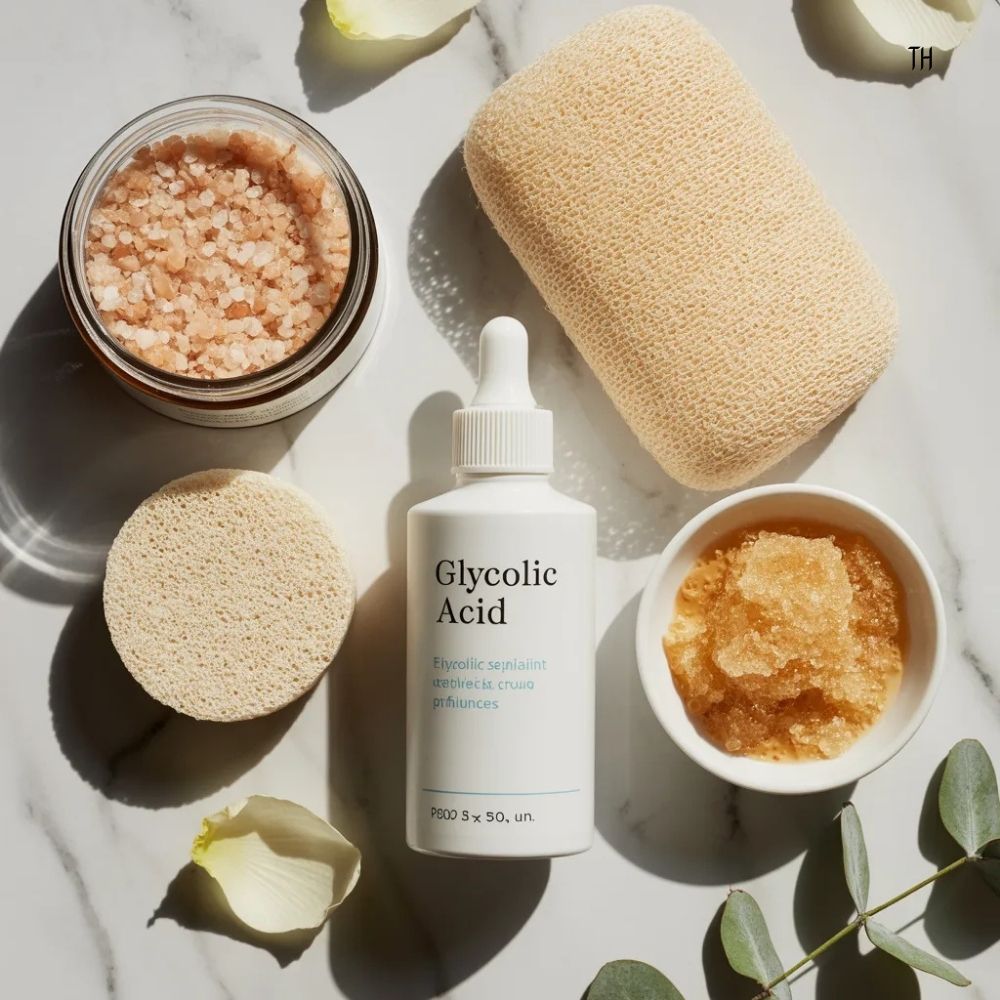
We live in a skincare era that prizes turnover. Words like “renewal,” “resurfacing,” and “cell acceleration” dominate product descriptions. Glycolic acid toners are used nightly. Salicylic acid appears in cleansers and serums. Retinoids are layered with exfoliating masks. Enzyme peels are marketed as weekly essentials.
Individually, many of these products are effective. Collectively, without strategy, they can quietly overwhelm the skin. Over-exfoliating skin has become more common not because formulas are inherently harsher, but because routines are more layered.
A morning exfoliating cleanser followed by an evening retinol, topped with a weekly peel, may seem balanced on paper. In practice, it can thin the protective barrier faster than it can regenerate. The problem is rarely enthusiasm. It is an accumulation.
What Exfoliation Is Meant to Achieve
The outermost layer of the skin, the stratum corneum, is composed of flattened cells held together by lipids. Exfoliation removes some of these surface cells, encouraging newer ones to rise more quickly. When used thoughtfully, this can improve dullness, uneven tone, mild congestion, and fine lines.
However, the stratum corneum is not simply dead weight. It regulates moisture loss, shields against environmental stressors, and maintains microbial balance.
When exfoliation becomes excessive, this protective layer thins. Water escapes more easily. Irritants penetrate more quickly. Inflammation increases. Healthy exfoliation refines. Over-exfoliating destabilizes.
The First Signs You Are Over-Exfoliating
The signs you are over-exfoliating often appear subtly, and they are frequently misinterpreted.
Persistent Tightness
A brief sensation of freshness after cleansing can feel satisfying. Persistent tightness that lingers even after moisturizing suggests something else.
When the barrier is compromised, moisture evaporates rapidly, leaving the skin feeling stretched rather than smooth. If hydration no longer restores comfort, exfoliation frequency may be too high.
Heightened Sensitivity
Products that once felt neutral begin to sting. A simple moisturizer tingles. Sunscreen feels sharp instead of soothing. Even lukewarm water can create discomfort.
This is one of the clearest signs of over-exfoliating skin. Sensitivity often indicates that the protective layer has thinned enough to expose underlying nerve endings more directly.
Lingering Redness
Temporary flushing after applying an acid can be normal. Redness that persists throughout the day is not. When the skin remains flushed or uneven in tone, it signals inflammation rather than refinement. Inflammation is not a glow strategy. It is a warning.
Breakouts That Feel Confusing
Over-exfoliating can paradoxically increase breakouts. When the barrier weakens, the skin may overproduce oil to compensate for dehydration. Inflammation can also disrupt the skin’s microbiome, making it easier for acne-causing bacteria to proliferate.
Flaking That Won’t Resolve
Mild peeling during retinoid introduction can be temporary. Persistent flaking, rough patches, and makeup clinging to dry areas suggest barrier stress. The instinct to scrub away flakes often worsens the issue.
A Shiny, Almost Fragile Appearance
One of the most deceptive signs you are over-exfoliating is excessive shininess. Because the outer layer has thinned, light reflects more dramatically. This gloss can be mistaken for glow, especially in strong lighting.
If the skin looks luminous but feels sensitive and reactive, it may be glossy from vulnerability rather than vitality.
Over-Exfoliating Versus Purging: How to Tell the Difference
Not all irritation is damage. When introducing active ingredients, especially retinoids or salicylic acid, some purging can occur as clogged pores surface more quickly.
Purging typically follows predictable patterns. Breakouts appear in areas where you normally experience congestion. They resolve more quickly than typical acne. They improve within four to six weeks.
Over-exfoliating, in contrast, often causes widespread irritation, unusual breakouts in new areas, persistent redness, and stinging with neutral products. If discomfort escalates rather than stabilizes, it is more likely barrier damage than adjustment. Listening to pattern, not panic, clarifies the difference.
How to Repair Over-Exfoliated Skin
Repair requires discipline, and discipline in this context means restraint.
Step One: Pause All Exfoliating Actives
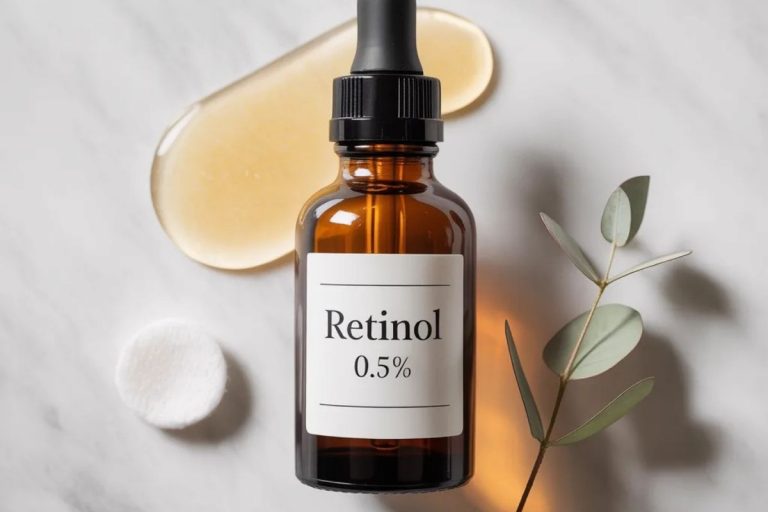
Stop using glycolic acid, lactic acid, salicylic acid, scrubs, and retinoids immediately. Continuing stimulation while the barrier is compromised prolongs inflammation.
Step Two: Simplify to a Barrier-Focused Routine
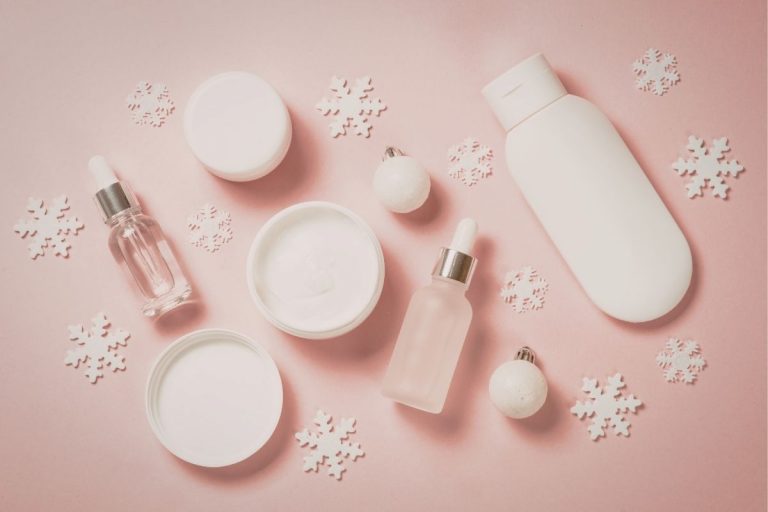
A repair routine should include:
- A gentle, non-foaming cleanser
• A hydrating serum
• A ceramide-rich moisturizer
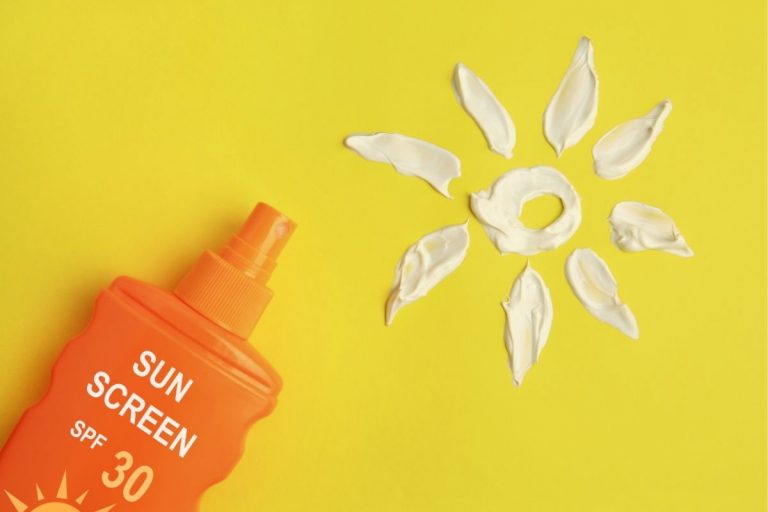
• Daily sunscreen
Look for ingredients such as ceramides, cholesterol, fatty acids, glycerin, panthenol, and niacinamide. These help rebuild the lipid matrix that holds the barrier together. Avoid fragrance, essential oils, and new experimental actives during this period.
Product Recommendations for Barrier Recovery
While repair is less about product quantity and more about product intention, certain formulas consistently support recovery from over-exfoliating.
Ceramide-Focused Moisturizers
CeraVe Moisturizing Cream remains one of the most reliable barrier-repair creams because it combines ceramides and hyaluronic acid in a balanced, non-irritating base. Dr. Jart+ Ceramidin Cream offers a slightly richer texture and reinforces lipids effectively for drier skin types.
Soothing Hydration Serums
The Ordinary Hyaluronic Acid 2% + B5 provides hydration without complexity. Applied to damp skin, it improves water retention without stimulating turnover. Paula’s Choice 10% Niacinamide Booster helps calm redness while strengthening barrier resilience.
Gentle Cleansers
Vanicream Gentle Facial Cleanser is particularly well tolerated when skin feels reactive. La Roche-Posay Toleriane Hydrating Cleanser removes impurities without stripping essential oils.
Mineral Sunscreen for Recovery
Mineral sunscreens containing zinc oxide are often soothing during repair phases. EltaMD UV Clear and La Roche-Posay Anthelios Mineral Tinted SPF 50 provide protection without aggravating compromised skin.
DIY Support Rituals for Over-Exfoliated Skin
While product selection matters, supportive habits matter equally.
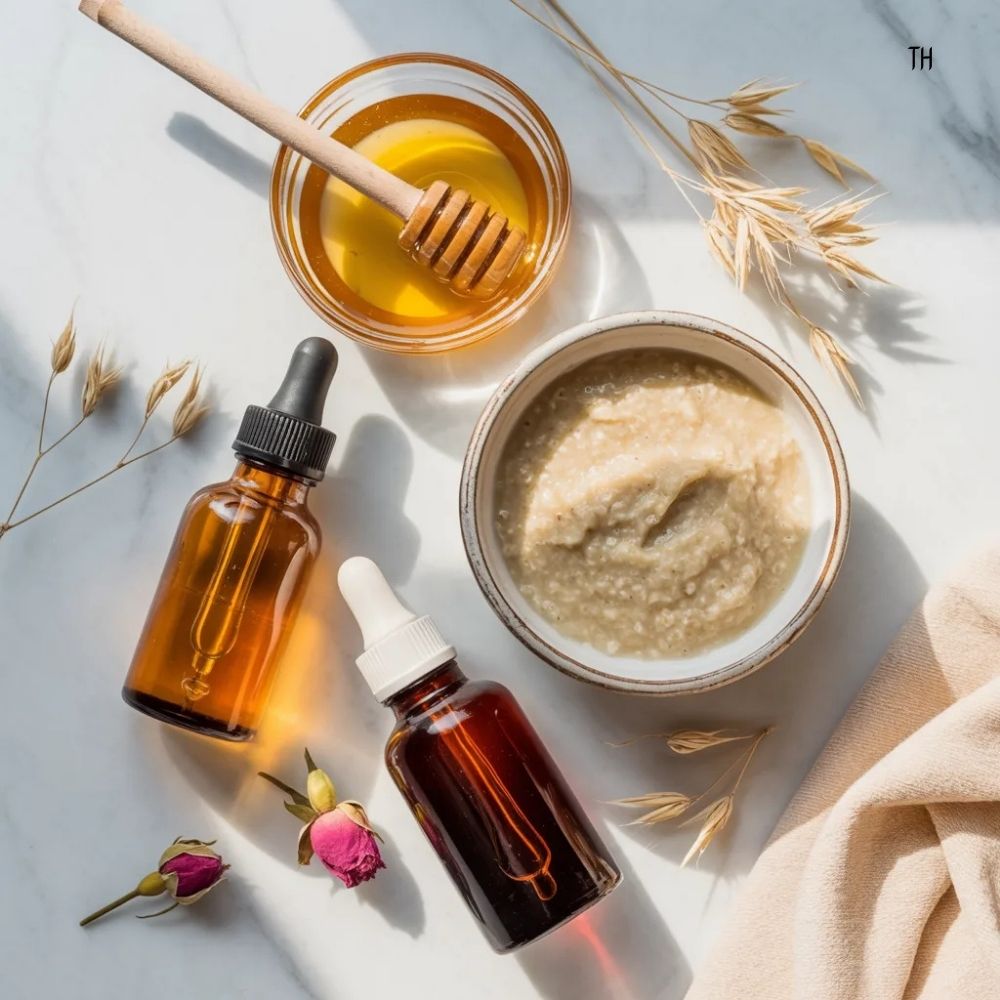
A raw honey mask applied once or twice weekly can calm inflammation and draw moisture into the skin. Leave it on for ten to fifteen minutes before rinsing with lukewarm water.
A colloidal oatmeal compress, created by mixing finely ground oats with water into a gentle paste, can reduce irritation and reinforce comfort.
Light facial massage with squalane or rosehip oil once acute irritation subsides can help replenish essential fatty acids without clogging pores.
The goal of DIY support is not stimulation. It is restoration.
A Realistic Recovery Timeline
Barrier recovery is not instantaneous. In the first week, sensitivity and tightness should begin to ease if exfoliation has been paused.
By week two, redness should reduce significantly, and products should feel more comfortable. By week three or four, the skin typically regains resilience, though deeper barrier repair may continue internally beyond what is visible. Patience protects progress.
How Often Should You Exfoliate Moving Forward
There is no universal rule. Most people benefit from exfoliating one to three times per week, depending on skin type and climate.
Daily exfoliation is rarely necessary. Even with resilient skin, alternating nights or reducing frequency during colder months preserves balance. Healthy exfoliation respects recovery cycles.
Preventing Over-Exfoliating in the Future
Avoid layering multiple exfoliating products within the same routine. If you use a salicylic acid cleanser, you may not need a glycolic toner that evening. Separate retinoids and strong acids onto different nights unless advised by a professional.
Evaluate improvement realistically. If your skin looks balanced, adding more stimulation rarely produces better results. Glow should feel comfortable, not fragile.
Final Reflection
Exfoliation remains one of skincare’s most effective tools when approached with rhythm and awareness. The signs you are over-exfoliating are rarely dramatic at first. They whisper through tightness, sensitivity, and subtle redness before escalating into more visible distress.
Repair is possible, and often simpler than correction. By pausing stimulation, reinforcing the barrier, and reintroducing actives gradually, the skin regains its natural resilience.
In the end, true radiance is not the shine of a thinned surface. It is the quiet strength of skin that can tolerate life without flinching. And that kind of glow is never rushed.