The Hormonal Acne Reality Check: What Actually Helps When You’re No Longer a Teenager
There is a specific frustration that comes with hormonal acne in adulthood. You have moved past adolescence. You invest in skincare thoughtfully. You understand ingredients. Yet, every month, like clockwork, the same painful breakout appears along your jawline or chin as if your skin never received the memo that you are no longer sixteen.
Hormonal acne feels personal because it is cyclical. It does not behave randomly. It follows patterns tied to stress, sleep, menstrual cycles, and internal shifts that no topical product can entirely override. The breakouts are often deeper, more inflamed, and slower to heal than the occasional clogged pore.
If hormonal acne searches are rising, it is because many women in their late twenties and thirties are experiencing this exact pattern. The conversation has shifted from teenage acne to adult hormonal breakouts, and the solutions require more nuance than harsh drying treatments.
Understanding hormonal acne begins with acknowledging that it is not a hygiene issue. It is not caused by laziness. It is not solved by scrubbing harder. It is an internal trigger manifesting externally.
What Hormonal Acne Actually Is
Hormonal acne is driven by fluctuations in androgens, particularly testosterone. These hormones stimulate the sebaceous glands to produce more oil. When excess oil combines with dead skin cells and bacteria, inflammation follows.
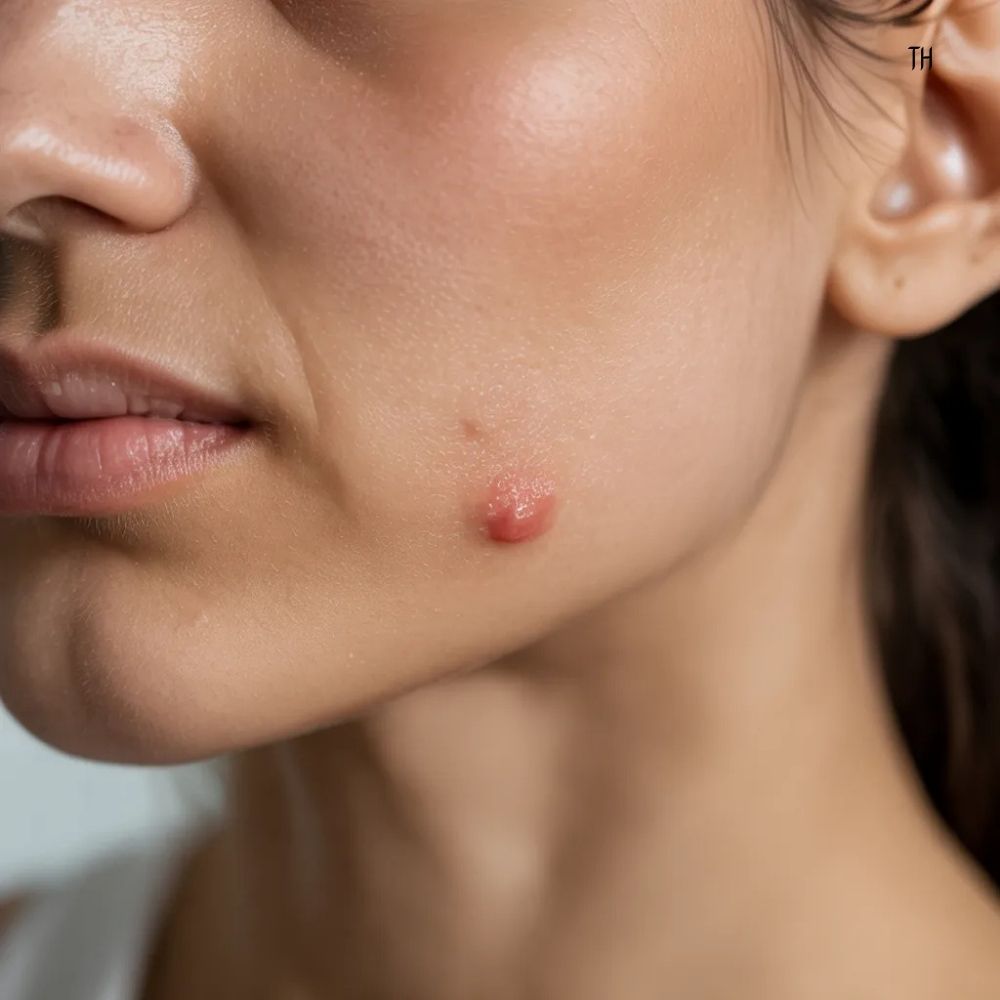
Unlike surface-level congestion, hormonal breakouts tend to appear in the lower third of the face. The jawline, chin, and sometimes the neck become recurring sites of cystic or nodular acne. These blemishes are often tender, deep, and resistant to quick fixes.
Adult hormonal acne may intensify during:
- The luteal phase of the menstrual cycle
• Periods of high stress
• Hormonal transitions such as postpartum or perimenopause
• Changes in birth control
Because the trigger originates internally, treatment requires both topical and systemic awareness.
Why Harsh Treatments Often Make It Worse
When confronted with persistent breakouts, the instinct is often to exfoliate more aggressively. Strong acids, frequent masks, or drying spot treatments seem logical.
However, hormonal acne already involves inflammation. Over-exfoliating can compromise the barrier, increase redness, and stimulate further oil production. What helps hormonal acne is rarely maximal stimulation.
Instead, hormonal acne treatment should focus on balancing oil production, calming inflammation, and protecting the barrier.
Ingredients That Actually Help Hormonal Acne
The following ingredients consistently demonstrate effectiveness when used correctly.
Salicylic Acid (BHA)
Salicylic acid penetrates oil and helps clear clogged pores. For hormonal acne, a 1–2% concentration used a few times per week can reduce congestion without over-stripping.
Product recommendation:
Paula’s Choice Skin Perfecting 2% BHA Liquid Exfoliant remains one of the most reliable salicylic acid formulas. It is effective but not overly harsh when used responsibly.
Retinoids
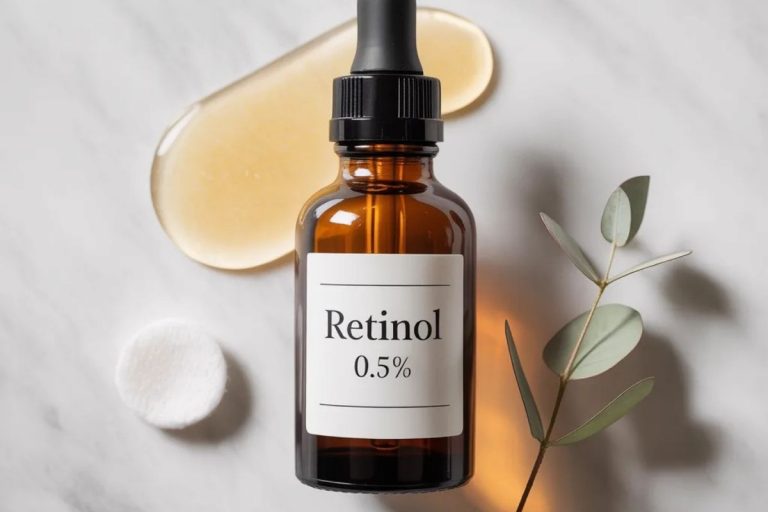
Retinoids increase cell turnover and prevent clogged pores. They also reduce inflammation over time. For adult hormonal acne, retinoids are often a cornerstone treatment.
Product recommendation:
Differin Adapalene Gel 0.1% is an accessible over-the-counter retinoid with strong evidence for acne treatment. It requires gradual introduction to avoid irritation.
Niacinamide
Niacinamide regulates oil production, reduces redness, and strengthens the skin barrier. It is particularly helpful when hormonal acne coexists with sensitivity.
Product recommendation:
The Ordinary Niacinamide 10% + Zinc 1% offers oil-balancing benefits without excessive complexity.
Azelaic Acid
Azelaic acid reduces inflammation and helps fade post-inflammatory hyperpigmentation, which is common with hormonal breakouts.
Product recommendation:
The Ordinary Azelaic Acid Suspension 10% or Paula’s Choice 10% Azelaic Acid Booster both provide gentle but effective support.
The Role of Dermatological Treatments
For persistent adult hormonal acne, topical treatments may not be enough. Dermatologists often prescribe:
- Spironolactone, which reduces androgen effects
• Prescription retinoids
• Hormonal birth control adjustments
These options target internal drivers directly. Skincare can support the process, but internal regulation often produces the most dramatic improvement. If breakouts are painful, scarring, or emotionally distressing, professional guidance is not a failure. It is strategic escalation.
A Balanced Routine for Hormonal Acne
Morning routine:
Gentle cleanser such as La Roche-Posay Toleriane Hydrating Cleanser
Niacinamide serum
Lightweight, non-comedogenic moisturizer
Broad-spectrum sunscreen
Evening routine:
Gentle cleanser
Adapalene (two to three nights per week)
Moisturizer
On alternate nights, azelaic acid can replace retinoid use if irritation occurs. Consistency matters more than layering.
Lifestyle Factors That Influence Hormonal Acne
Skincare alone cannot override internal triggers.
Stress
Elevated cortisol influences androgen activity. Chronic stress often correlates with worsening hormonal acne. Mindful routines, regular sleep, and even moderate exercise can improve systemic balance.
Diet
While diet does not cause acne universally, some individuals notice flare-ups linked to high glycemic foods or dairy. Observing patterns rather than eliminating entire categories impulsively provides more useful insight.
Sleep
Poor sleep increases inflammation and stress hormones, both of which influence breakouts. Hormonal acne responds to systemic rhythm.
Thoughtful DIY Support for Hormonal Breakouts
DIY solutions should never replace medical treatment, but gentle supportive practices can reduce inflammation and speed recovery.
Raw Honey Spot Treatment
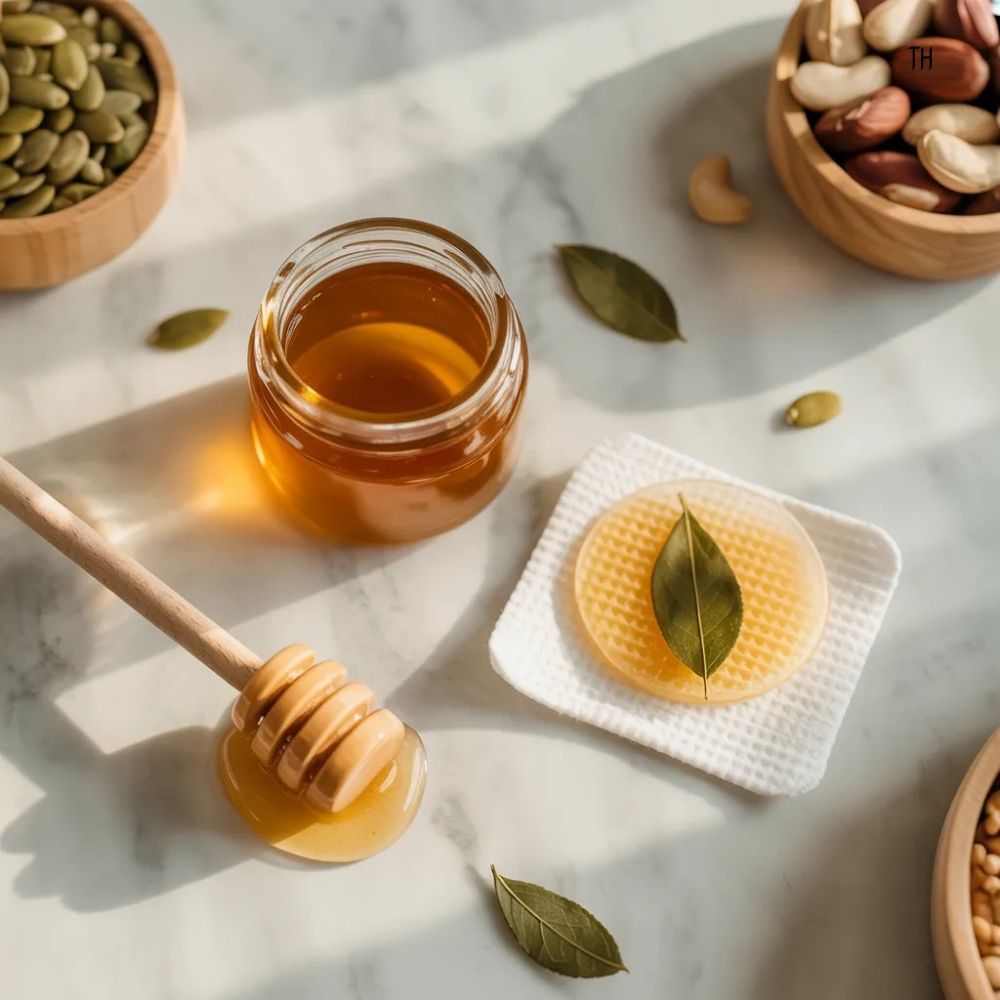
Raw honey has natural antibacterial properties and can soothe inflamed blemishes. Applying a small amount to active spots for 15 minutes before rinsing may calm redness without drying the skin.
Green Tea Compress
Green tea contains antioxidants that reduce inflammation. Brew, cool, and apply with a cotton pad to irritated areas for several minutes.
Zinc-Rich Diet Support
Zinc plays a role in wound healing and inflammation control. Foods such as pumpkin seeds, legumes, and nuts support internal balance. Supplements should be discussed with a healthcare provider before use.
DIY should soothe, not stimulate.
Managing the Emotional Side
Adult hormonal acne can feel unfair. It disrupts confidence precisely when you feel you should have outgrown it.
Remember that hormonal acne does not reflect cleanliness or discipline. It reflects biology. The most empowering approach is steady, patient management rather than aggressive correction.
Final Thoughts
Hormonal acne is complex because it originates beneath the surface. It requires a layered strategy that combines thoughtful skincare, possible medical intervention, and lifestyle awareness.
What helps hormonal acne most consistently is not intensity. It is balance. When you reduce inflammation, support the barrier, regulate oil production, and respect internal rhythms, the skin begins to stabilize.
Progress may not be immediate, but it becomes sustainable. And sustainable clarity is far more powerful than temporary perfection.