How TikTok Skincare Trends Rewired the Way We Buy Beauty
There was a time when skincare discovery felt slower. You read a magazine feature, asked a friend, perhaps watched a long-form review on YouTube before deciding whether something belonged in your routine. The process had friction. Friction allowed reflection.
TikTok removed friction. Now a serum can sell out globally within hours of a fifteen-second video. A moisturizer can become an overnight essential because someone with luminous skin whispered that it changed everything.
A single phrase — “TikTok made me buy it skincare” — has evolved from a joke into a purchasing category. TikTok skincare trends have not simply influenced what we buy.
They have fundamentally altered how we evaluate, justify, and emotionally process skincare purchases. The speed of discovery has reshaped expectation. The format has reshaped attention. The algorithm has reshaped desire.
Understanding how TikTok changed the way we buy skincare is not about rejecting the platform. It is about learning to navigate it intelligently.
The Velocity of Virality
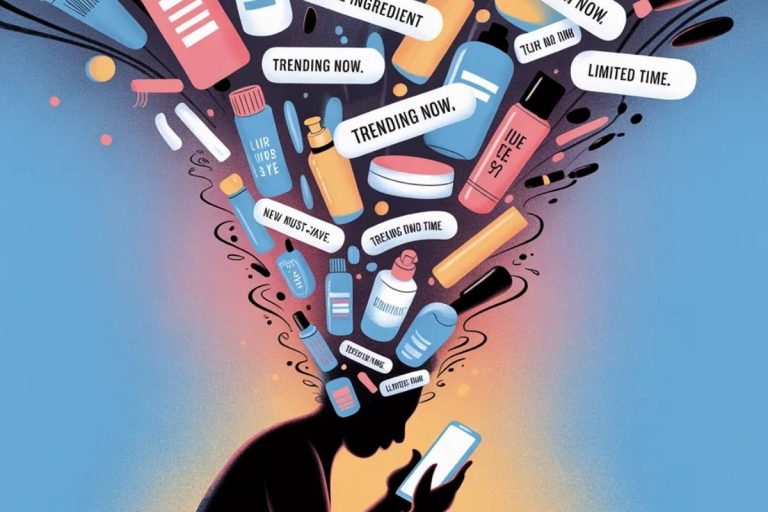
The most defining characteristic of TikTok skincare trends is speed. On traditional platforms, influence built gradually. On TikTok, virality operates on compression. A product can appear in multiple feeds simultaneously, creating the illusion of universal adoption. Repetition within a short time frame generates urgency.
When you see the same sunscreen in five different videos within a week, your brain interprets it as consensus. Consensus reduces skepticism.
The algorithm does not merely show you content. It studies your pauses, your rewatches, your comments. If you linger on a video about barrier repair, more barrier repair content follows. Soon your feed appears saturated with the same product.
The repetition feels organic. In reality, it is engineered. This acceleration collapses the traditional evaluation window. Instead of researching for weeks, you decide within minutes.
The Power of Micro-Testimonials
TikTok thrives on intimacy. Videos feel unscripted, conversational, immediate. A creator holds up a serum and says, “I did not expect this to work, but look at my skin.” The format resembles a friend texting you a recommendation rather than a brand campaign.
Micro-testimonials are powerful because they compress transformation into seconds. Before-and-after visuals, side-by-side comparisons, and real-time application reduce abstraction. You see texture smoothing, redness fading, shine diminishing.
However, short-form content rarely includes long-term context. You do not see what the creator’s routine looked like six months prior. You do not see whether irritation followed. You see the highlight moment.

The Democratization of Ingredient Literacy
One of the more positive shifts TikTok introduced is ingredient awareness. Creators break down niacinamide percentages, explain retinoid strength, and compare zinc oxide concentrations. Skincare literacy has become mainstream.
However, ingredient literacy can also accelerate impulse skincare buying. When you learn that azelaic acid reduces redness and salicylic acid unclogs pores, it becomes tempting to include both immediately.
The knowledge feels empowering, but without pacing, it leads to layering. TikTok beauty marketing often frames each ingredient as essential rather than optional. When everything is essential, restraint becomes difficult.
The “TikTok Made Me Buy It” Phenomenon
The phrase “TikTok made me buy it skincare” reveals something deeper than humor. It reflects how purchasing responsibility subtly shifts away from the individual.
If TikTok made you buy it, the decision feels collective rather than personal. You are participating in a moment. Participation reduces hesitation.
Viral skincare products often benefit from this collective momentum. You do not want to be the only person who has not tried the trending sunscreen or the exfoliating toner that promises glass skin. Belonging influences buying.
The Compression of Results
TikTok skincare trends frequently emphasize rapid transformation. Five-day updates. One-week glow-ups. Instant pore blurring. While some products genuinely produce quick visible effects, many skincare benefits require consistent use over months.
The platform’s format rewards immediacy. Slow results do not trend easily. This compression creates unrealistic expectations. If your skin does not transform within days, the impulse is to switch products rather than wait. The cycle continues.
The Financial Impact of Short-Form Discovery
Impulse skincare buying increases when friction decreases. TikTok integrates direct links, affiliate codes, and in-app purchasing. The distance between desire and transaction shrinks.
Small purchases feel manageable. A serum under thirty dollars. A lip mask under twenty. Multiple small purchases accumulate quickly.
Unlike planned investments, impulse skincare buying rarely includes a structured audit. You may already own three similar exfoliants, yet a fourth feels justified because it is trending. TikTok skincare trends have redefined the shopping pace, not necessarily the shopping logic.
The Algorithmic Echo Chamber
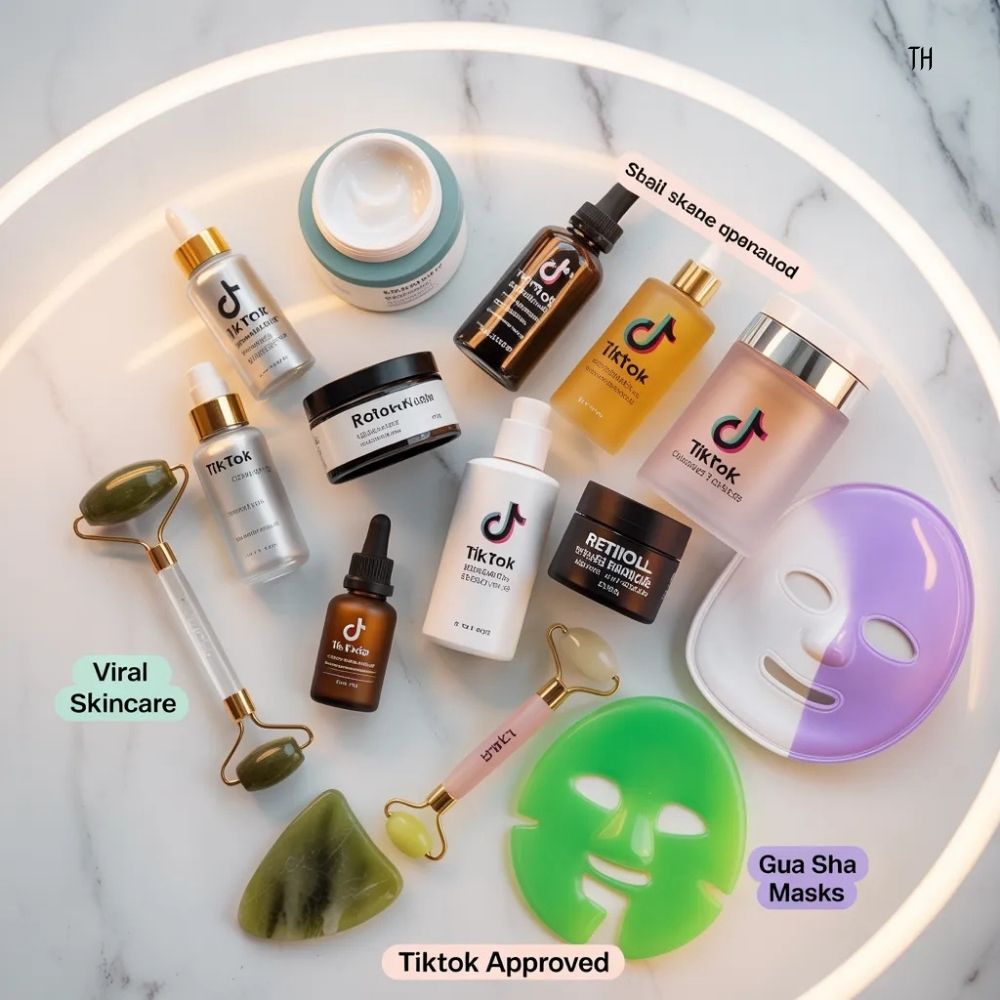
TikTok’s algorithm personalizes content aggressively. Once you interact with acne-related videos, your feed fills with acne solutions. Once you pause on anti-aging content, wrinkle prevention dominates your recommendations.
The repetition can create a distorted perception of urgency. If every video discusses retinol, it feels urgent to start retinol. If every video emphasizes barrier repair, you may suddenly believe your barrier is compromised.
The algorithm amplifies perceived need. This does not mean the concerns are invalid. It means they are intensified.
When Virality Meets Reality
Some viral skincare products genuinely deserve attention. Affordable sunscreens that blend well. Accessible retinoids with clinical backing. Barrier-supporting moisturizers with thoughtful formulations.
The issue is not virality itself. The issue is evaluation depth. Short-form content rarely explores compatibility across skin types, long-term tolerance, ingredient interactions, or realistic timelines.
Before purchasing a viral product, ask:
- Does this solve a persistent concern, or is it solving a temporary one.
- Do I already own a product with similar active ingredients.
- Is this replacing something, or simply joining my collection.
These questions slow momentum just enough to restore clarity.
The Rise of De-Influencing
Interestingly, TikTok also birthed the de-influencing movement. Creators began openly stating which products are unnecessary, overpriced, or redundant.
This shift reflects a growing fatigue with constant consumption. Users are becoming more aware of how social media skincare buying can spiral.
De-influencing does not reject beauty. It reintroduces discernment. It encourages asking whether a product enhances your routine or simply fills space.
Building a Healthy Relationship With TikTok Skincare Trends
You do not need to abandon the platform to regain control. You need structure.
- First, create a one-role rule in your routine. One exfoliant at a time. One vitamin C serum. One moisturizer per season.
- Second, adopt a 30-day waiting period for viral skincare products. If interest persists after a month, the purchase becomes intentional rather than impulsive.
- Third, finish what you own before introducing new actives. Completion clarifies effectiveness.
- Fourth, diversify your content intake. Follow dermatologists and formulators alongside creators. Balance excitement with expertise.
When you stop reacting immediately, TikTok becomes a source of information rather than pressure.
Final Thoughts
TikTok skincare trends reshaped the beauty landscape by accelerating discovery, compressing evaluation, and amplifying desire. The platform democratized ingredient literacy while simultaneously intensifying impulse skincare buying.
The solution is not withdrawal. It is intentional engagement. When you pause before purchasing, audit what you own, and align viral recommendations with your personal philosophy, you regain agency.
TikTok did change the way we buy skincare. It made the process faster, louder, and more communal. But you still decide what enters your routine.
And in a space defined by constant launch cycles, the ability to choose deliberately may be the most sophisticated skincare habit of all.