10 Skincare Myths People Still Believe in 2026 And What Science Actually Says
There is something fascinating about the way skincare myths survive. Trends disappear quickly. Ingredients rotate in and out of popularity. Entire brands rise and fall within a few seasons.
Yet certain beliefs persist with remarkable confidence, passed from comment sections to group chats to late-night bathroom conversations as if they were dermatological fact.
In 2026, when ingredient lists are searchable and dermatologists are a swipe away, misinformation should theoretically be declining. Instead, it is evolving. Viral soundbites replace old wives’ tales. “Skin cycling” becomes misinterpreted.
Barrier repair becomes overcomplicated. Clean beauty morphs into chemistry fear. The modern consumer is more informed than ever, yet still vulnerable to half-truths.
It is time for some skincare myths debunked properly, calmly, and with context. Because understanding what does not work is just as powerful as knowing what does.
Myth 1: If Your Skin Tinges or Burns, It Means the Product Is Working
This myth refuses to die. The sensation of tingling is often misinterpreted as proof of potency. In reality, burning usually signals irritation, not efficacy. While certain actives like exfoliating acids can produce mild transient tingling, persistent stinging indicates barrier disruption.
The skin barrier is designed to protect against external stressors. When compromised, nerve endings become more reactive, making products feel sharper than they should.
What science says: irritation does not equal effectiveness. A product can be highly active and still comfortable. Consistent low-grade irritation increases inflammation, which may worsen hyperpigmentation and acne over time. If your routine feels like endurance training, it is time to simplify.
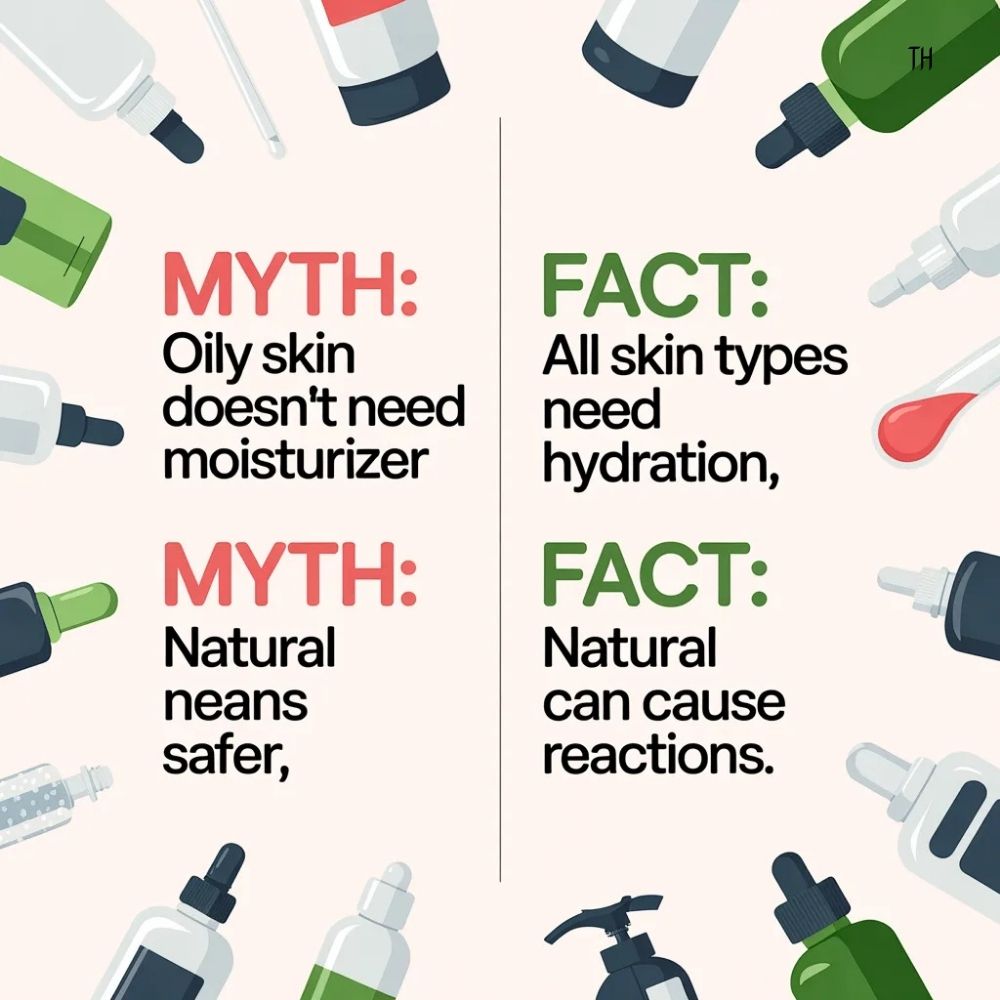
Myth 2: Oily Skin Does Not Need Moisturizer
The belief that oily skin should be dried into submission has caused more barrier damage than perhaps any other myth. Sebum production is influenced by hormones and genetics, not by how aggressively you strip your skin. When you remove moisture excessively, the skin can overcompensate by producing more oil.
What science says: even oily skin requires hydration to maintain barrier balance. Lightweight gel moisturizers with glycerin or hyaluronic acid hydrate without suffocating pores. Hydrated skin regulates itself more effectively than stripped skin.
Myth 3: Natural Ingredients Are Always Safer
The “natural equals safe” assumption feels intuitive, yet it is chemically inaccurate. Poison ivy is natural. So is arsenic. Conversely, many lab-formulated ingredients are carefully stabilized, purified, and tested for irritation potential.
What science says: safety depends on formulation, concentration, and skin compatibility, not on whether an ingredient grows in soil or is synthesized in a lab. Fragrance, even when derived from essential oils, can irritate sensitive skin.
The clean beauty movement has contributed to valuable transparency, but fear-based marketing has amplified confusion. Understanding chemistry reduces anxiety.
Myth 4: You Only Need Sunscreen on Sunny Days
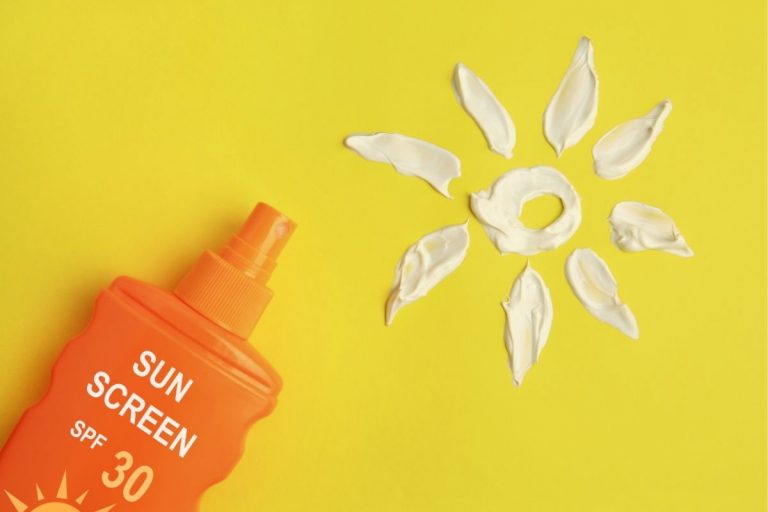
Ultraviolet radiation does not require a beach to cause damage. UVA rays penetrate clouds and windows, contributing to photoaging and hyperpigmentation even when the sky appears gray.
What science says: daily sunscreen use significantly reduces premature aging and skin cancer risk. Broad-spectrum SPF 30 or higher remains the most evidence-backed anti-aging product available. Skipping sunscreen because it is cloudy undermines long-term skin health.
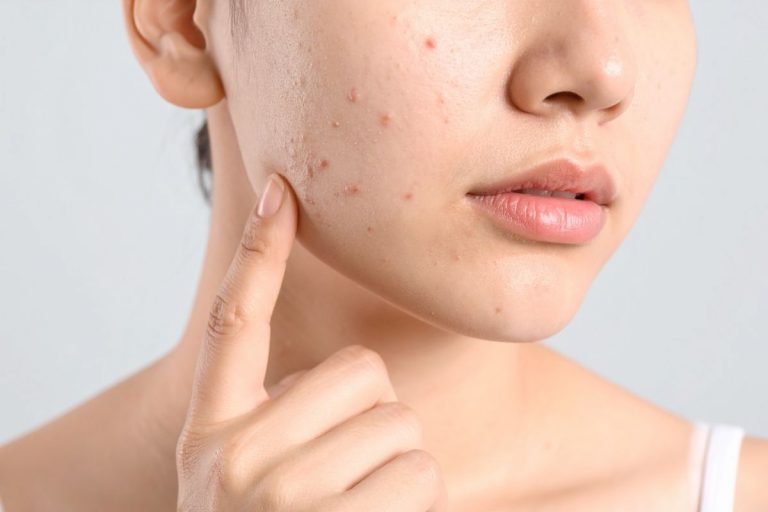
Myth 5: Acne Is Caused by Poor Hygiene
This myth lingers, often carrying unnecessary shame.
Acne is influenced primarily by hormones, inflammation, sebum production, and bacterial overgrowth. While cleansing helps manage oil and debris, excessive washing can worsen inflammation.
What science says: acne is not a cleanliness issue. Overwashing disrupts the barrier and increases irritation. Gentle cleansing twice daily is sufficient for most skin types. Compassion is more effective than scrubbing.
Myth 6: Expensive Skincare Works Better
Luxury packaging does not guarantee superior formulation. High-end brands often invest heavily in texture, scent, and aesthetic presentation, which enhance user experience but do not necessarily improve ingredient performance.
What science says: many affordable brands formulate with identical active ingredients found in luxury products. The effectiveness depends on concentration, stability, and consistency of use.
Some luxury products are excellent. Some drugstore products are equally excellent. Price is not a proxy for results.
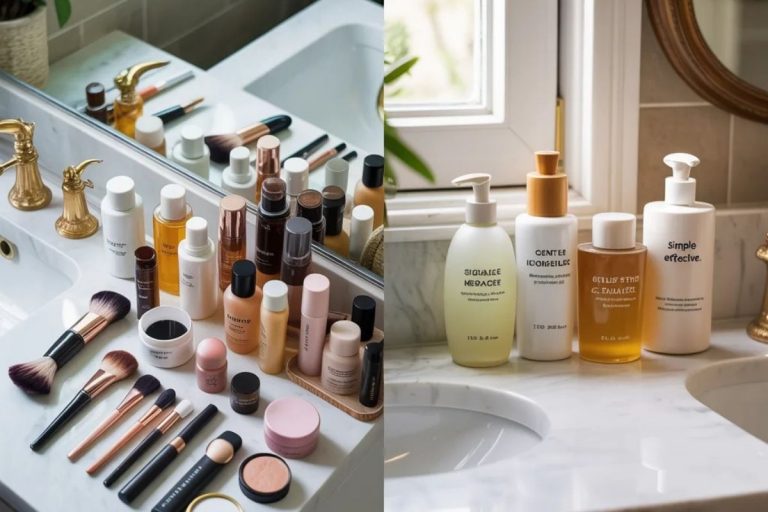
Myth 7: You Need a 10-Step Routine for Healthy Skin
The 10-step routine was never a universal requirement. It was a cultural export that became misinterpreted. Layering multiple serums without understanding compatibility often leads to over-exfoliation and irritation.
What science says: most skin types thrive on a simple structure: gentle cleanser, moisturizer, sunscreen in the morning, and one or two targeted actives at night.
Consistency matters more than complexity. Skincare myths debunked often reveal that less is more sustainable.
Myth 8: Pores Can Open and Close
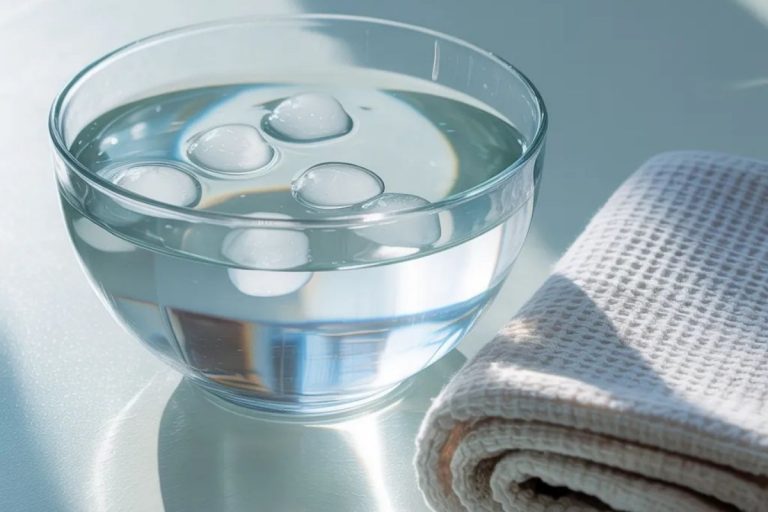
Steam does not open pores like doors, and cold water does not close them. Pore size is influenced by genetics, collagen support, and oil production. Steam may soften debris inside pores, making extraction easier, but it does not alter pore diameter permanently.
What science says: consistent exfoliation and retinoid use can improve the appearance of pores by increasing collagen production and reducing clogging. Temperature does not change pore size. Marketing language often exaggerates.
Myth 9: If It Worked for Someone Else, It Should Work for You
Social media testimonials create powerful narratives. However, skin is individual. Hormonal patterns, barrier strength, environment, and genetics influence product response.
What science says: skincare is not one-size-fits-all. A retinol concentration that works beautifully for one person may irritate another. Patch testing and gradual introduction reduce risk. Comparison undermines personalization.
Myth 10: You Should See Immediate Results
Instant gratification has trained consumers to expect overnight transformation. While certain ingredients, such as hyaluronic acid, can produce immediate plumping, most long-term changes require weeks or months of consistent use.
What science says: retinoids typically show visible improvements after 8–12 weeks. Hyperpigmentation reduction may take several months. Collagen remodeling occurs gradually. Patience is an underrated skincare ingredient.
Why Skincare Myths Persist
Skincare myths debunked reveal a pattern: simplicity often feels unsatisfying. Quick fixes and dramatic claims are more shareable than nuanced explanations. Social platforms reward strong statements over subtlety.
Additionally, marketing thrives on insecurity. If you believe your pores open and close, you are more likely to purchase a “pore tightening” product.
Understanding this dynamic empowers you to make decisions based on evidence rather than urgency.
The Future of Skincare Literacy
In 2026, skincare education is more accessible than ever. Dermatologists share research summaries. Ingredient databases are searchable. Consumers can compare formulations easily. Yet the abundance of information creates noise.
The goal is not to memorize every ingredient. It is to understand foundational principles: barrier integrity, UV protection, inflammation control, and gradual collagen support. Once you understand those pillars, myths lose their grip.
Final Thoughts
Skincare myths debunked does not mean rejecting beauty culture. It means participating in it intelligently.
Your skin does not need punishment to improve. It does not require expensive rituals to thrive. It does not transform overnight.
What it does need is consistency, protection, and respect. In an industry that thrives on novelty, clarity becomes radical. And radical clarity is, perhaps, the most powerful skincare tool of all.