How AI Beauty Shopping Trends Are Quietly Reshaping the Way You Choose Skincare
A decade ago, choosing skincare meant standing in front of a glowing shelf under fluorescent lighting, scanning ingredient lists with mild confusion while an overenthusiastic sales associate offered a sample.
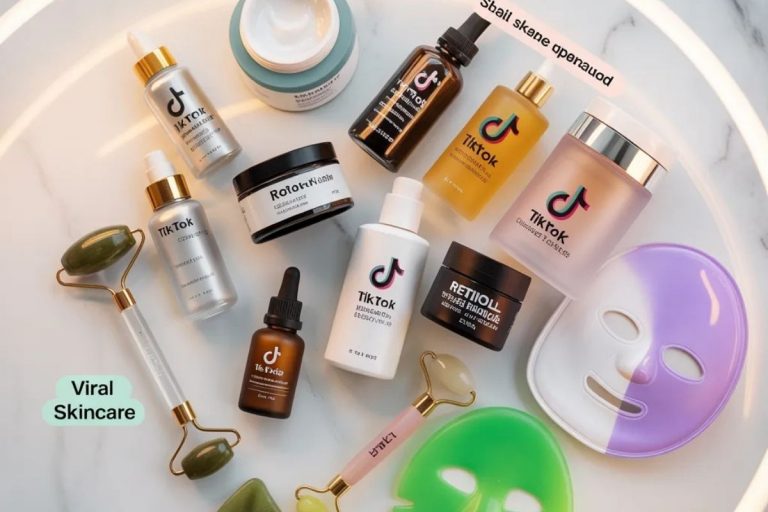
Five years ago, it meant scrolling through TikTok and trusting someone with flawless lighting to tell you what “changed their skin overnight.” In 2026, it increasingly means answering a series of questions on your phone, uploading a selfie, and waiting while an algorithm studies your pores.
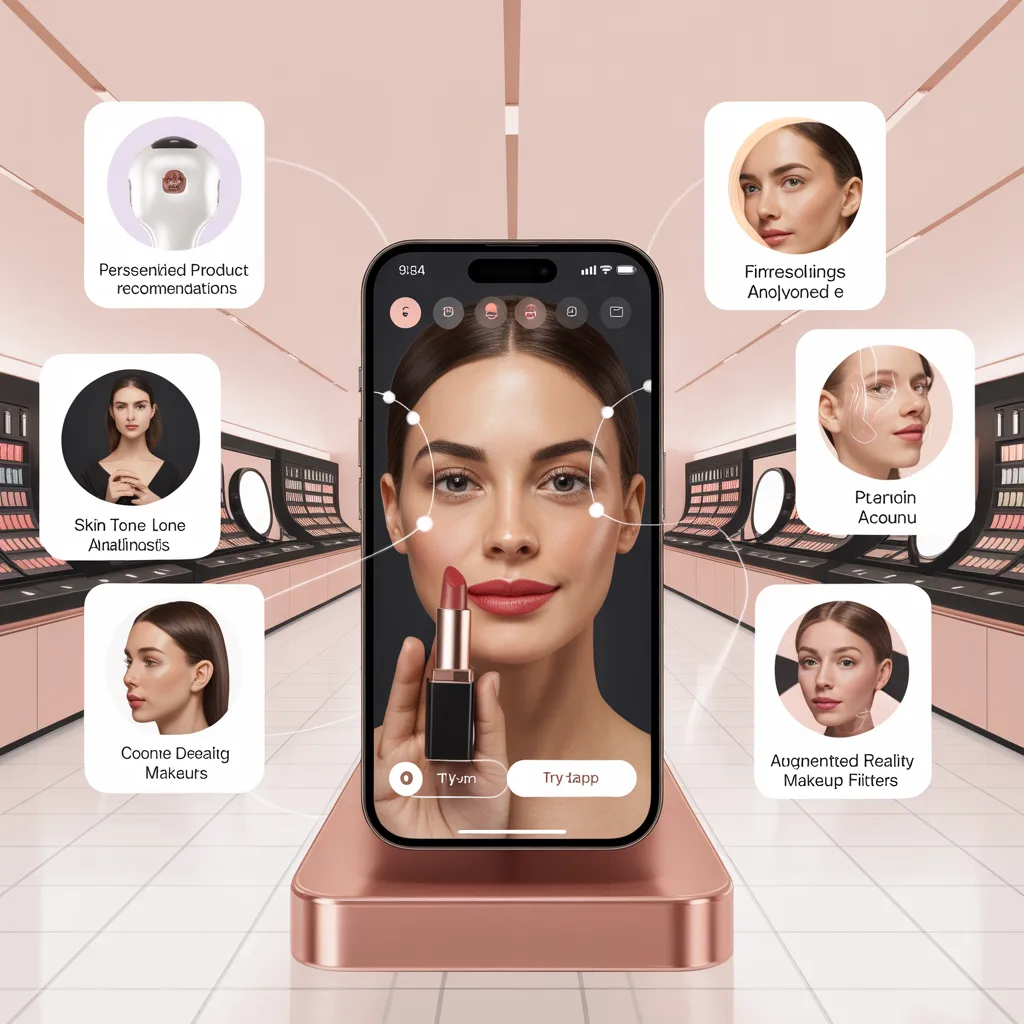
Welcome to the era defined by AI beauty shopping trends, where personalization is no longer a marketing promise but a data-driven system. Artificial intelligence now analyzes your skin tone, texture, concerns, shopping history, climate, and even sleep patterns to recommend products.
It promises precision over guesswork, efficiency over impulse, and logic over hype. But is this transformation empowering, invasive, revolutionary, or simply inevitable? The answer is more layered than a ten-step routine.
From Influencer Culture to Algorithmic Authority
Beauty culture has always followed authority. It just changes who that authority is. There was the department store expert. Then the beauty editor. Then the influencer. Now the algorithm.
The shift toward AI beauty shopping trends reflects a broader cultural evolution. Consumers are fatigued by sponsored content and skeptical of paid endorsements.
Transparency movements have reshaped expectations. People want recommendations that feel tailored rather than transactional. Artificial intelligence positions itself as neutral. It suggests that data does not lie.
When an AI skincare analysis tool tells you that your redness indicates barrier sensitivity and recommends a ceramide-rich moisturizer, it feels clinical rather than promotional. The authority comes from pattern recognition, not personality.
How AI Beauty Shopping Actually Works
Behind the sleek interfaces and soothing animations lies a complex system of machine learning models trained on thousands, sometimes millions, of data points.
When you upload a selfie into an AI skincare analysis app, image recognition software maps facial landmarks and texture. It identifies areas of hyperpigmentation, enlarged pores, fine lines, and uneven tone. It compares those patterns to databases of previously labeled images.
From there, recommendation engines cross-reference your profile with ingredient efficacy studies, product reviews, and brand inventories.
In practical terms, AI beauty shopping trends operate through three main functions:
- Skin analysis through image recognition
- Behavioral pattern tracking
- Predictive recommendation modeling
The system becomes smarter as it gathers more data. In theory, this means fewer wasted purchases and more relevant suggestions.
The Rise of Personalized Beauty Algorithms
The phrase “personalized skincare” has existed for years, but AI has made it scalable. Previously, personalization meant answering a short quiz and receiving a pre-set regimen. Now, AI skincare recommendations adjust dynamically. If you rate a moisturizer poorly or skip a product consistently, the algorithm recalibrates.
Some platforms integrate environmental data. If you move to a humid climate, your recommended textures may shift lighter. If your region experiences increased pollution, antioxidant serums might be emphasized.
These micro-adjustments illustrate why AI beauty shopping trends feel sophisticated. They respond to context.
Virtual Skincare Consultations Without the Human
AI-powered virtual skincare consultation tools now simulate dermatology-style assessments. They ask about hormonal cycles, stress levels, medication use, and sleep patterns.
While these systems cannot replace medical professionals, they can identify patterns. For example, if your acne appears cyclical and concentrated along the jawline, the algorithm may flag hormonal triggers and suggest salicylic acid combined with barrier support.
This reduces reliance on anecdotal advice from strangers online. At least in theory.
Why Consumers Are Embracing AI Beauty Shopping Trends
The appeal is not purely technological. It is psychological. Choosing skincare can feel overwhelming. Ingredient lists are long. Marketing language is contradictory. Reviews conflict. AI introduces structure. It removes some cognitive load.
When an algorithm narrows 5,000 products to five, decision fatigue decreases. When recommendations align with your specific concerns rather than trending hashtags, shopping feels efficient.
There is also the appeal of objectivity. A machine analyzing your skin does not judge it. In an era saturated with comparison culture, that neutrality feels comforting.
The Accuracy Question
Of course, algorithms are only as reliable as their training data. If AI systems are trained primarily on lighter skin tones, darker complexions may receive less accurate assessments. If acne patterns are misclassified, recommendations may miss nuance.
AI beauty shopping trends are evolving rapidly, but inclusivity remains an ongoing challenge. Brands that invest in diverse datasets produce more accurate results across skin tones.
Consumers should remain aware that AI offers guidance, not diagnosis. The algorithm is intelligent, not omniscient.
AI and the Shift Away From Impulse Buying
One of the most interesting consequences of AI beauty shopping trends is the reduction of impulsive purchasing. When a system analyzes your current routine and warns that adding another exfoliating acid may compromise your barrier, it introduces friction against overconsumption.
Some platforms now display compatibility warnings. If you attempt to add a retinol while already using multiple actives, the system may recommend spacing introductions.
This kind of built-in moderation supports the de-influencing movement. Data becomes a form of restraint.
The Privacy Paradox
While personalization feels empowering, it raises legitimate privacy concerns. Uploading facial images and logging hormonal data creates a digital footprint. Companies may use aggregated data for product development or marketing refinement.
Consumers must decide whether the convenience of AI skincare analysis outweighs the discomfort of data sharing. The future of AI beauty shopping trends will depend heavily on transparency and regulation. Trust is fragile.
AI vs Human Intuition
There is an undeniable tension between algorithmic precision and human intuition. Skincare is partly science and partly sensory experience. Texture preference, scent tolerance, and aesthetic pleasure cannot always be quantified.
An AI may recommend a clinically effective moisturizer that feels unpleasant to use. If the experience discourages consistency, results suffer. The most effective approach blends data with self-awareness. The algorithm suggests. You decide.
Retail Spaces Are Changing Too
Physical beauty stores are integrating AI diagnostics into in-store mirrors. Smart mirrors analyze your complexion in real time and suggest products available on the shelf. QR codes link to personalized regimens saved to your phone.
The boundary between digital and physical shopping is dissolving. AI beauty shopping trends are not confined to apps. They are reshaping retail architecture.
Will AI Replace Dermatologists?
Unlikely. While AI can detect visible patterns, it cannot assess medical history or perform biopsies. Dermatology involves clinical judgment, not just visual mapping.
However, AI can function as a preliminary filter, encouraging users to seek professional care when red flags appear. The future likely involves collaboration rather than replacement.
The Risks of Over-Optimization
There is also a potential downside. When algorithms constantly track improvement, skincare can become quantified. Pore size becomes a metric. Redness becomes a percentage. Texture becomes a score.
Over-monitoring can fuel anxiety rather than confidence. Beauty should enhance life, not become a dashboard. Balance remains essential.
Where AI Beauty Shopping Trends Are Heading in 2026 and Beyond
As machine learning models become more advanced, we can expect:
- Greater climate-based adaptation
• Integration with wearable health data
• Ingredient compatibility forecasting
• Real-time routine optimization
• Increased regulatory oversight
The next phase of AI skincare recommendations may involve predictive care. Instead of reacting to breakouts, the system may anticipate them based on sleep data or stress markers. Proactive rather than reactive beauty.
Final Thoughts
AI beauty shopping trends are not replacing human judgment. They are reshaping how information is processed.
The algorithm in your bathroom is not inherently good or bad. It is a tool. It can reduce waste, increase personalization, and improve efficiency. It can also create dependency if used uncritically.
The most powerful approach in 2026 may be hybrid. Use AI to narrow options. Use science to verify claims. Use self-awareness to decide. Technology can analyze your pores. Only you can decide how you want to feel in your skin.