The Realistic Skin Barrier Repair Plan That Actually Works
There is a particular kind of regret that happens in front of the bathroom mirror. It usually begins with ambition. A new exfoliating toner. A stronger retinol. A resurfacing mask that promises “glass skin.” Perhaps a few too many late nights and a little less sunscreen than usual.
Individually, none of it feels catastrophic. Collectively, it becomes something else. Your skin stings when you apply moisturizer. Redness lingers. Breakouts appear in unfamiliar places. Makeup sits unevenly. Everything feels reactive.
This is the moment when you realize your skin barrier is not impressed with your enthusiasm. In 2026, with ingredient literacy at an all-time high and actives more accessible than ever, overuse has quietly become the new skin concern. The solution is not another product. It is a reset.
What you need is a thoughtful, evidence-based skin barrier repair plan. Not panic. Not punishment. Not an entirely new 12-step routine. Just repair.
First: What the Skin Barrier Actually Is
Before building a skin barrier repair plan, it helps to understand what you are repairing. The skin barrier, scientifically referred to as the stratum corneum, functions as your body’s outermost shield.
It is often described as a brick-and-mortar system. The bricks are skin cells called corneocytes. The mortar is made up of lipids, primarily ceramides, cholesterol, and fatty acids. Together, this structure prevents excessive water loss and blocks irritants from entering.
When intact, the barrier maintains hydration, regulates inflammation, and supports resilience. When compromised, transepidermal water loss increases, irritants penetrate more easily, and inflammation escalates.
The symptoms are subtle at first. Tightness. Increased sensitivity. Patchy dryness. Then it progresses to visible redness, flaking, burning, and reactive breakouts. The barrier weakens gradually. And gradual damage requires deliberate repair.

How You Know You Need a Skin Barrier Repair Plan
Not every breakout signals barrier damage. Not every dry patch requires a full reset. However, certain patterns strongly suggest barrier compromise. You may notice:
- Stinging when applying basic moisturizer
• Increased redness that persists beyond a few minutes
• Flaky patches combined with oiliness
• Sudden sensitivity to products you previously tolerated
• Burning from sunscreen or serums
• Tightness even after moisturizing
The combination of dryness and irritation is particularly telling. When the barrier is compromised, the skin attempts to compensate, often by producing more oil while simultaneously losing water.
It feels contradictory because it is. When this pattern appears, more actives are not the answer. A skin barrier repair plan becomes essential.
Why “More” Is Usually the Problem
Over-exfoliation has quietly become the defining skin issue of the mid-2020s. The availability of chemical exfoliants, retinoids, resurfacing masks, and layered acids has created a culture of constant renewal.
While these ingredients are effective when used appropriately, stacking them without restraint disrupts lipid balance. Acids lower the skin’s pH to encourage cell turnover. Retinoids accelerate renewal. Physical exfoliants add friction.
When used excessively or layered incorrectly, the barrier cannot replenish lipids fast enough to maintain integrity. The result is inflammation masquerading as progress. A proper skin barrier repair plan requires restraint.
Step One: Stop the Irritants
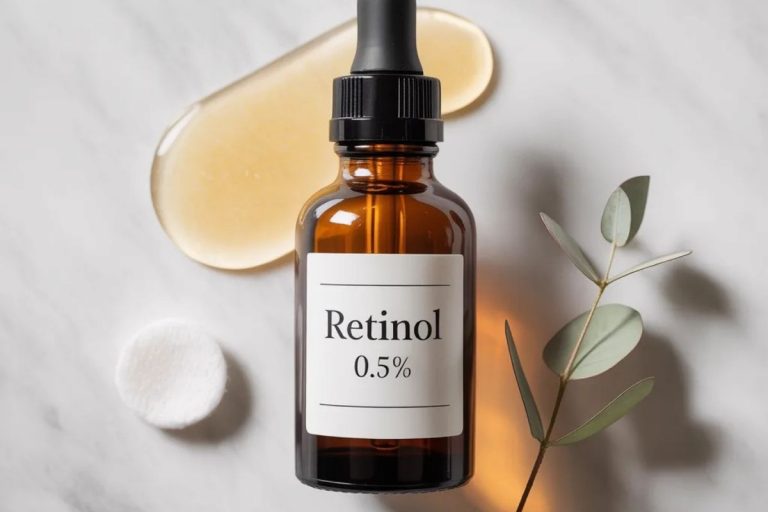
The first rule of a skin barrier repair plan is elimination. Pause all exfoliating acids, including glycolic, lactic, and salicylic acids. Temporarily discontinue retinoids. Remove strong vitamin C formulas if they sting. Avoid fragranced products and essential oils.
This does not mean these ingredients are inherently harmful. It means your skin is not currently in a position to tolerate them. Think of this as placing the skin on medical leave. Repair requires quiet.
Step Two: Simplify the Routine to Its Foundation
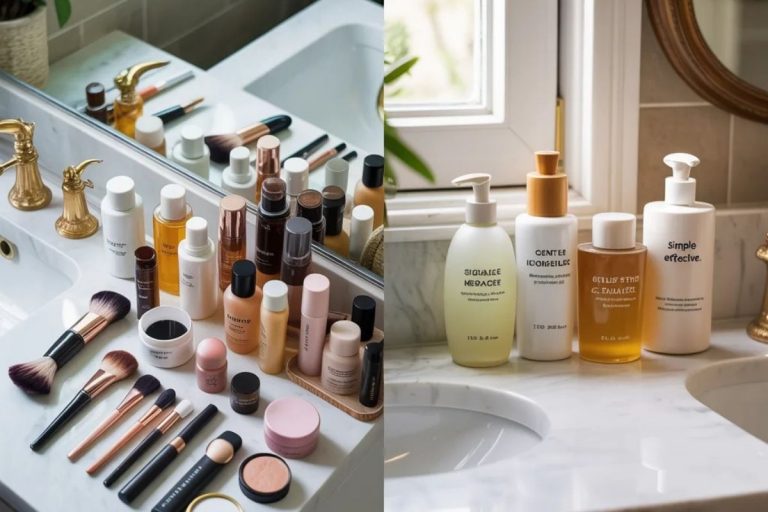
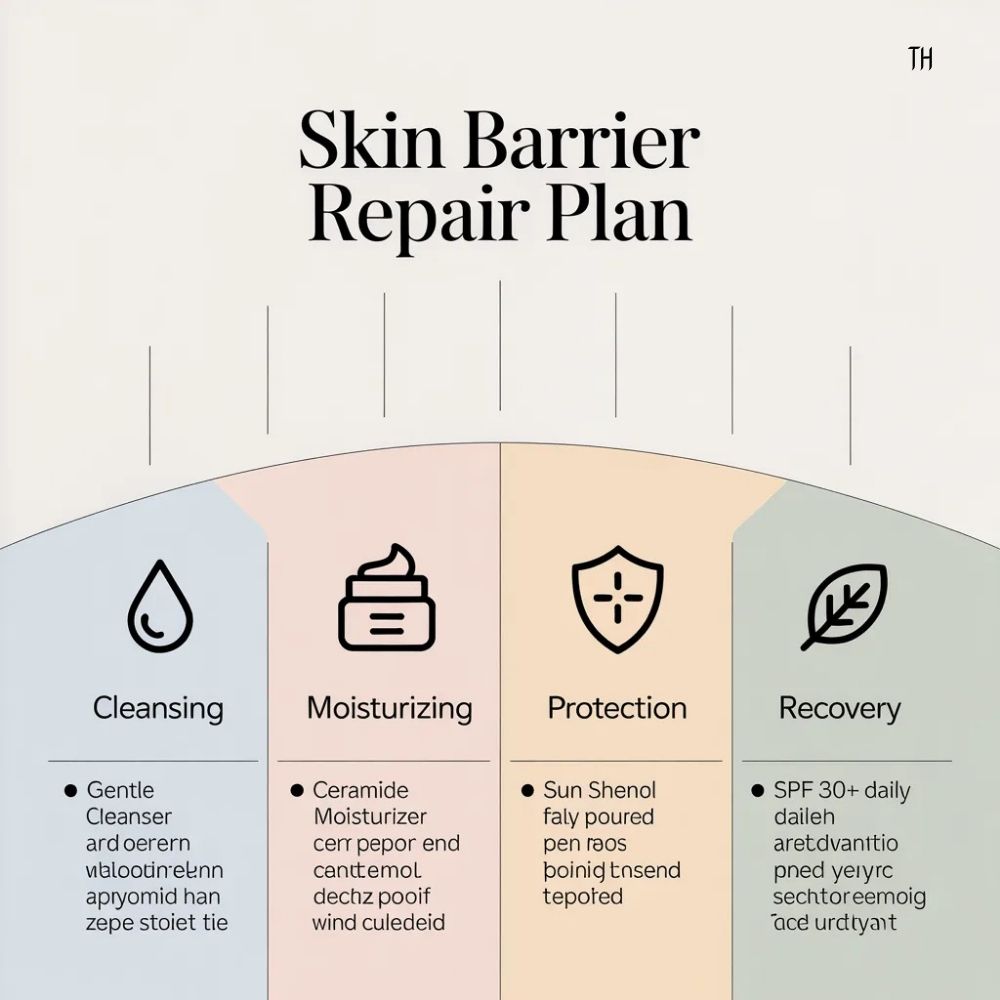
An effective skin barrier repair plan is built on three core elements: gentle cleansing, hydration, and protection.
Gentle Cleanser
Use a non-foaming, low-pH cleanser without active exfoliants. Cream-based or gel cleansers formulated for sensitive skin are ideal. The goal is to remove debris without disrupting lipids further. Cleansing should feel neutral, not squeaky.
Moisturizer With Barrier-Supporting Ingredients
Look for moisturizers containing ceramides, cholesterol, and fatty acids, which replicate the natural lipid composition of the skin barrier. Ingredients support hydration and barrier repair such as:
- Ceramides
• Glycerin
• Panthenol
• Niacinamide (at moderate concentrations)
• Hyaluronic acid
Products like La Roche-Posay Toleriane Double Repair, CeraVe Moisturizing Cream, or Avene Cicalfate are often well tolerated during recovery phases. The texture should feel comforting rather than active.
Sunscreen Remains Non-Negotiable
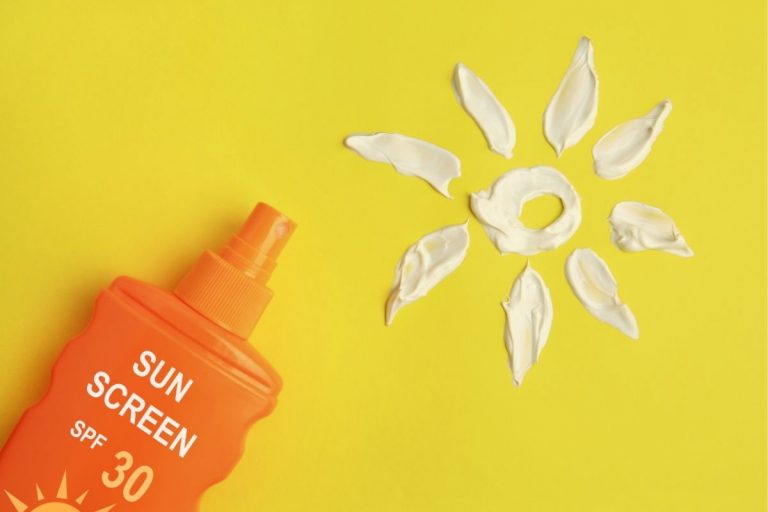
Even during a skin barrier repair plan, sunscreen remains essential. Compromised skin is more vulnerable to UV damage. Choose a mineral sunscreen if chemical filters cause stinging.Protection supports healing.
Step Three: Introduce Occlusion When Necessary
If the barrier is significantly damaged, adding a thin occlusive layer at night can accelerate repair. Petrolatum-based ointments reduce transepidermal water loss dramatically. A thin layer applied as the final step in your evening routine helps seal hydration.
This technique, sometimes referred to as “slugging,” should be used judiciously, especially for acne-prone skin. Occlusion is supportive, not mandatory.
How Long a Skin Barrier Repair Plan Should Last
Patience is central to repair. Mild barrier disruption may improve within one to two weeks of simplified care. More significant damage may require four to six weeks.
The skin’s renewal cycle averages 28 days in young adults and lengthens with age. Repair aligns with that timeline. Attempting to reintroduce actives prematurely often prolongs irritation. A true skin barrier repair plan respects biological pacing.
What Not to Do During Recovery
It is tempting to experiment when skin misbehaves. Resist that urge. Avoid:
- Layering new serums “just in case”
• Switching moisturizers daily
• Using clay masks to control oil
• Spot treating with strong acids
Consistency allows the barrier to rebuild lipids naturally. Unpredictability delays repair.
Signs Your Barrier Is Healing
Improvement appears gradually. You may notice:
- Reduced redness
• Less stinging during application
• More even hydration
• Improved makeup texture
• Decreased random breakouts
Healing feels quieter than damage. The skin appears calmer rather than dramatically transformed.
Reintroducing Actives Thoughtfully
Once the skin feels stable for at least two weeks without irritation, reintroduction can begin. Choose one active at a time. Start with lower frequency, perhaps once or twice weekly. Observe the skin for a full week before increasing use.
Retinoids and exfoliating acids should never be reintroduced simultaneously. A successful skin barrier repair plan does not end with repair. It transitions into prevention.
Lifestyle Factors That Support Barrier Health
Barrier integrity is influenced by more than products. Chronic stress elevates cortisol, which can impair healing. Poor sleep disrupts regeneration. Dehydration reduces cellular function.
Supporting repair may involve:
- Improving sleep consistency
• Managing stress through movement or breathwork
• Staying hydrated
• Avoiding excessive alcohol
Skin reflects internal equilibrium. Repair is systemic.
Why Skin Barrier Repair Is a Long-Term Strategy
In 2026, skincare education is more accessible than ever. Yet education without moderation leads to overuse. A skin barrier repair plan is not just reactive. It is preventative. Understanding when to pause is as important as knowing when to treat.
Healthy skin tolerates actives better. It responds more predictably. It ages more gracefully. The glow people chase often begins with barrier stability.
Final Thoughts
A skin barrier repair plan is not glamorous. It is quiet. It involves restraint rather than innovation. It requires patience rather than urgency. Yet in a culture obsessed with progress, choosing to pause is powerful.
When your skin signals distress, the solution is rarely more stimulation. It is care. Repair restores not only hydration and calm but also trust between you and your routine. And once that trust returns, your glow does too.