The Truth About LED Face Masks and Whether They Deserve a Place in Your Routine
LED face masks have quietly transitioned from futuristic novelty to mainstream skincare device. What once felt clinical and distant now sits on bathroom counters beside cleansers and moisturizers.
The marketing promises are compelling: clearer skin, reduced inflammation, smoother texture, fewer breakouts, and even softened fine lines, all achieved without downtime.
The appeal is understandable. Light therapy feels scientific, controlled, and modern. Unlike creams and serums that rely on absorption, LED face masks promise results through direct cellular stimulation. It sounds efficient, almost elegant.
Yet the central question remains straightforward. Do LED face masks really work, or are they simply the latest addition to an already crowded beauty landscape? To answer that properly, we need to separate aesthetic appeal from biological reality.
Understanding How LED Face Masks Work
LED stands for light-emitting diode. These devices emit specific wavelengths of light that penetrate the skin at varying depths. Different colors correspond to different wavelengths, and each wavelength interacts with the skin in distinct ways.
Red light typically penetrates more deeply and is associated with collagen stimulation and reduced inflammation. Blue light operates more superficially and targets acne-causing bacteria. Near-infrared light reaches even deeper layers and is often linked to skin repair and healing processes.
Professional dermatology clinics have used light therapy for years, particularly in acne treatment and wound healing. The science behind light therapy itself is not speculative.
Photobiomodulation, which refers to how light influences cellular activity, has documented clinical support. The more nuanced question is whether at-home LED face masks deliver comparable effects to in-office treatments.
The Science Behind Red Light Therapy
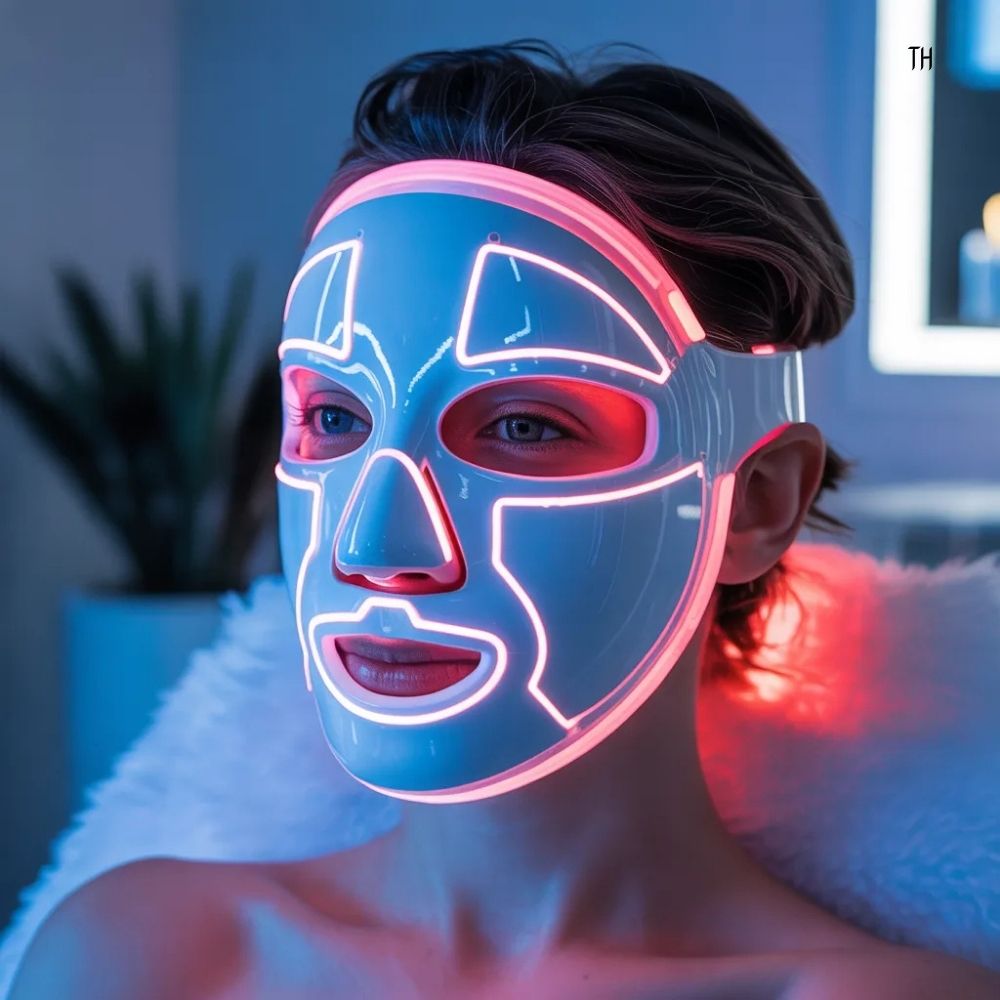
Red light therapy has been studied for its potential to stimulate fibroblasts, the cells responsible for collagen production. Collagen contributes to skin firmness and elasticity, which is why red light is frequently marketed for anti-aging benefits.
Several clinical studies suggest that consistent red light exposure may improve skin texture and reduce the appearance of fine lines over time. These improvements, however, tend to be gradual rather than dramatic. The effects depend on consistent use and adequate device power.
LED face masks designed for home use generally operate at lower energy outputs than professional devices. This does not mean they are ineffective, but it does suggest that results may be subtler and require longer timelines.
Blue Light and Acne Management
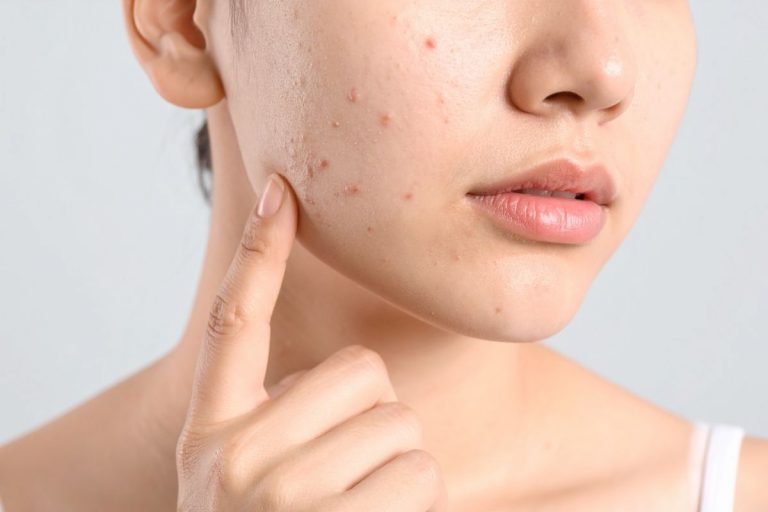
Blue light targets Propionibacterium acnes, the bacteria associated with inflammatory acne. By reducing bacterial activity, blue light can help minimize breakouts.
Clinical settings have used blue light therapy effectively for mild to moderate acne. At-home LED face masks offering blue light aim to replicate this benefit.
The limitation lies in intensity and coverage. Professional devices often deliver higher-powered, controlled treatments. At-home versions may provide supportive improvement rather than transformative clearing.
For someone managing persistent acne, LED face masks may function best as a complement to a well-structured skincare routine rather than a replacement for dermatological treatment.
What LED Face Masks Can Realistically Improve
When evaluating whether LED face masks work, it helps to define realistic outcomes.
Consistent use may improve mild redness, support collagen maintenance, reduce minor breakouts, and promote overall skin clarity. Some users report brighter complexion and smoother texture after several weeks of regular sessions.
However, LED face masks are unlikely to eliminate deep wrinkles, significantly tighten sagging skin, or resolve severe acne without additional intervention. Expectations determine satisfaction. If LED face masks are viewed as supportive tools rather than miracle devices, they are more likely to meet expectations.
The Importance of Consistency
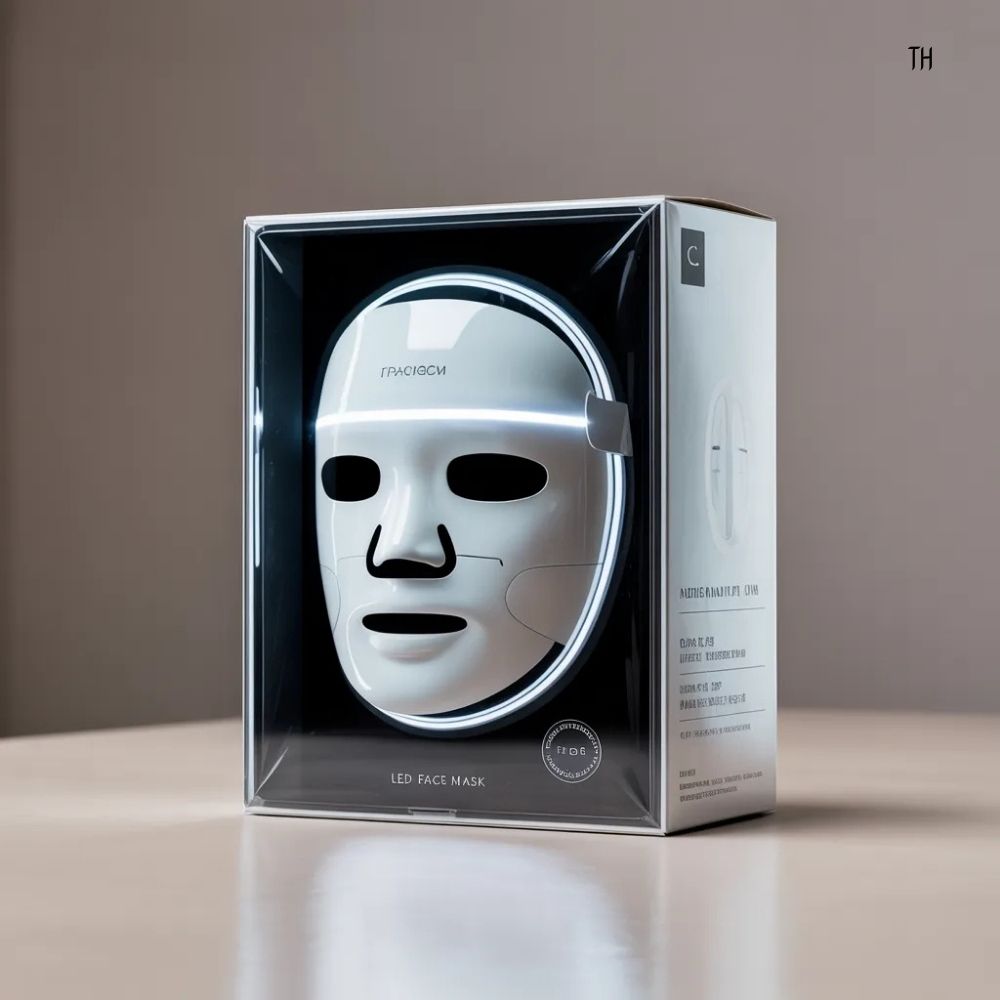
One of the most overlooked aspects of LED face masks is commitment. Unlike a serum that integrates seamlessly into an existing routine, light therapy requires dedicated time.
Most devices recommend sessions ranging from ten to twenty minutes several times per week. Benefits accumulate gradually. Inconsistent use reduces effectiveness.
This requirement raises a practical question. Does your schedule realistically accommodate regular sessions? A device cannot produce results if it remains stored in its box. Consistency is not glamorous, but it is decisive.
Safety Considerations
LED face masks are generally considered safe when used according to instructions. They do not emit ultraviolet light, which distinguishes them from tanning beds.
However, certain conditions require caution. Individuals taking photosensitizing medications or managing specific skin conditions should consult a healthcare professional before use. Protective eyewear is often recommended, particularly for blue light exposure.
As with any device, quality matters. Reputable brands undergo testing and provide transparent specifications regarding wavelength and energy output. Safety is less about fear and more about informed use.
The Cost Factor
LED face masks range widely in price. Entry-level devices may cost less than a luxury serum, while advanced models approach the price of multiple in-office treatments.
To evaluate value, consider frequency. If professional light therapy sessions cost a significant amount per appointment, an at-home device may become cost-effective over time. Conversely, if the device is used sporadically, the investment becomes less rational.
Cost per use often provides clarity. A device used three times weekly for a year carries different value than one used twice and forgotten.
Who Benefits Most From LED Face Masks
LED face masks tend to benefit individuals who prefer non-invasive, low-risk interventions and who are willing to commit to gradual improvement.
They are particularly appealing to those seeking maintenance rather than correction. Early signs of aging, mild acne, and general skin dullness respond more predictably than advanced concerns.
Those expecting dramatic lifting or rapid wrinkle reversal may find disappointment. Matching the tool to the concern is critical.
Integrating LED Face Masks Into a Smart Routine
LED face masks should not complicate an already overloaded skincare regimen. In fact, they often pair best with simplified routines.
Using light therapy on clean skin, followed by gentle hydration, supports barrier integrity. Combining aggressive exfoliation with frequent LED sessions is unnecessary and may increase sensitivity. A balanced approach allows the skin to respond positively without additional stress.
The Psychological Element
There is also a psychological aspect to consider. The act of dedicating fifteen minutes to light therapy can function as structured self-care. The mask itself signals pause.
This ritual element should not be dismissed. Beauty tools that encourage stillness can improve overall well-being, even if their visible results are subtle. However, emotional satisfaction should complement, not replace, biological evidence.
So, Do LED Face Masks Work
The most honest answer is nuanced. LED face masks can work, particularly for mild acne management, subtle collagen support, and overall skin clarity. Their effectiveness depends on device quality, consistent use, and realistic expectations.
They are not replacements for dermatological procedures. They are not instant transformations. They are incremental tools.
When used consistently and paired with a simplified, well-structured skincare routine, LED face masks can provide measurable improvement over time. The question is not whether they work in absolute terms, but whether they align with your goals, budget, and routine.
Final Reflection
LED face masks occupy an interesting space in modern beauty. They combine science with accessibility, promising clinical logic without clinical settings.
Their value lies in maintenance rather than miracle. They reward patience rather than impulse. They function best within clarity rather than excess.
If your skincare philosophy leans toward prevention, consistency, and non-invasive support, LED face masks may deserve consideration. If you seek immediate dramatic change, other interventions may be more appropriate.
As with most beauty tools, their effectiveness ultimately depends less on marketing and more on alignment. When chosen intentionally and used consistently, they can become part of a routine that feels thoughtful rather than reactive.
And in an industry often driven by urgency, that kind of deliberate choice is its own quiet advantage.