How to Look Put Together in 10 Minutes Even If You’re Already Out in Public
There is a distinct difference between looking dressed and looking put together. You can be fully clothed, technically ready for the day, and still feel slightly unfinished. The mirror in your bathroom might have been forgiving. The lighting at home might have been kind.
Yet somewhere between errands, work meetings, and an unexpected lunch invitation, you catch your reflection in a public restroom mirror and realize something feels off. Your hair has flattened. Your under-eyes look heavier than you remember. Your T-zone is shinier than intended. Your posture has collapsed into fatigue.
The good news is that looking put together does not require a full redo. It requires a targeted reset. Learning how to look put together in 10 minutes is about understanding which adjustments create the most visual impact with the least effort.
It is not about applying more makeup. It is about restoring structure, balance, and intention. Put together is not perfection. It is coherence.
What “Put Together” Actually Signals
Before building a strategy, it helps to understand what people subconsciously read as polished. There are five visual cues that consistently signal composure:
- Controlled shine
- Defined brows
- Even skin tone
- Structured hair
- Intentional posture
When these five elements are aligned, you look deliberate rather than accidental. Your 10-minute reset should always address these anchors first.
Minute One: Reset Your Posture and Expression
Before touching your face, stand up straight. Roll your shoulders back slowly. Lift your chest slightly. Relax your jaw. Lengthen your neck. Soften your forehead.
Posture instantly changes how you carry your clothes, your hair, and your facial expression. A slouched stance reads as tired, even if your makeup is flawless.
If you only had 30 seconds, posture alone would elevate your presence. Looking put together begins with alignment, not product.
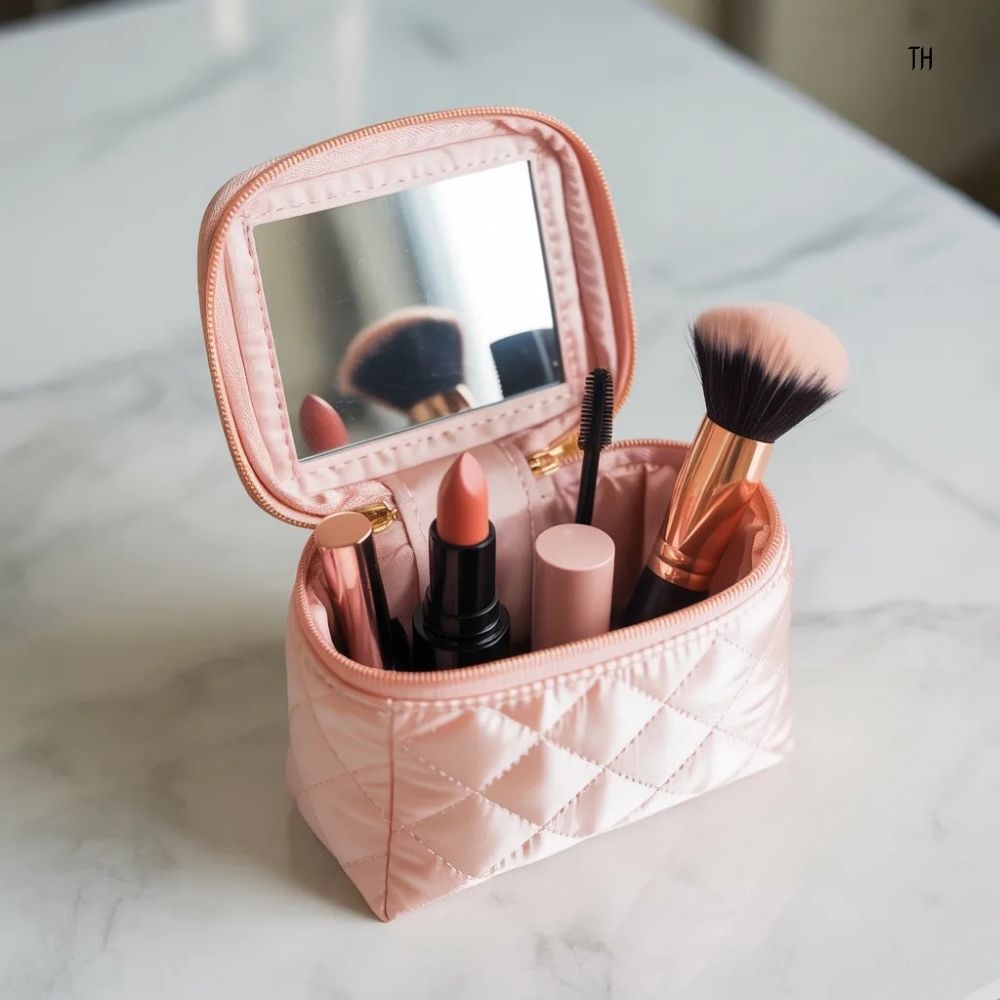
Minute Two: Remove Oil Instead of Covering It
Shine is often the first thing that makes someone feel unpolished. However, layering powder on top of oil creates texture.
Use blotting papers or even a clean tissue to press gently into the center of your forehead, around your nose, and along your chin. Removing oil before adding product prevents buildup.
If powder is necessary, use it sparingly and only in high-shine zones. Controlled shine reads as fresh. Over-powdered skin reads as stressed.
Minute Three: Brighten Strategically
Under-eyes communicate energy more than any other facial area. If you carry concealer, apply a small amount only at the inner corner and blend outward. Avoid reapplying heavily under the entire eye unless absolutely necessary.
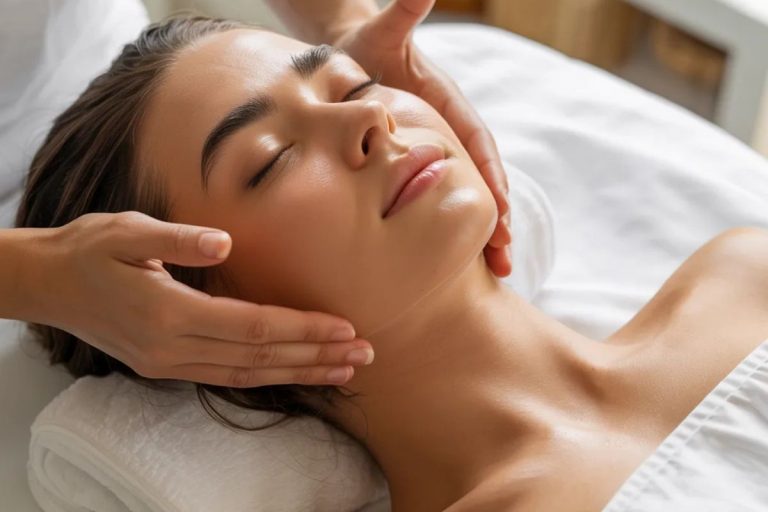
If you have no makeup, splash cool water onto your under-eye area and gently pat dry. Even light tapping stimulates circulation.
If you keep a caffeine-based eye stick in your bag, such as The Ordinary Caffeine Solution or Milk Makeup Cooling Water, this is the moment to use it. The cooling effect reduces mild puffiness quickly. You do not need full coverage. You need subtle lift.
Minute Four: Redefine Your Brows
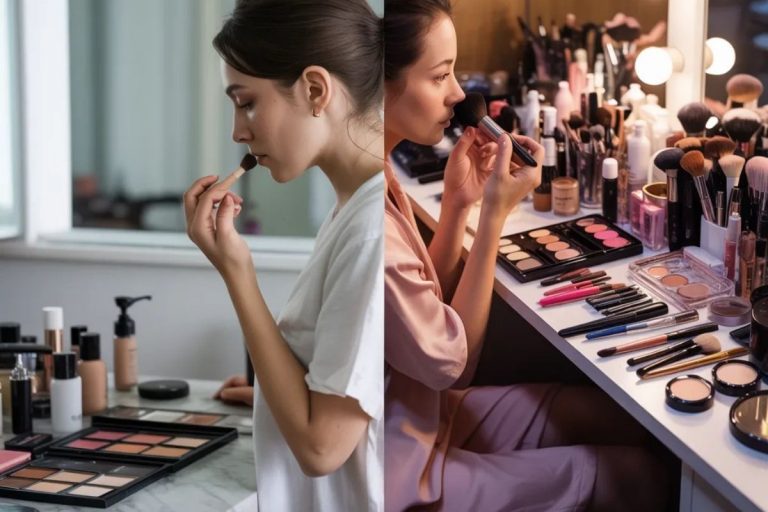
Brows anchor the face. When they fade or flatten, the face loses structure. Brush them upward using a clean spoolie or tinted brow gel. Fill sparse areas lightly, focusing on the tail and arch.
Defined brows create symmetry, and symmetry creates the perception of intention. Even if you are wearing minimal makeup, groomed brows suggest deliberation.
Minute Five: Add Life Back to the Face
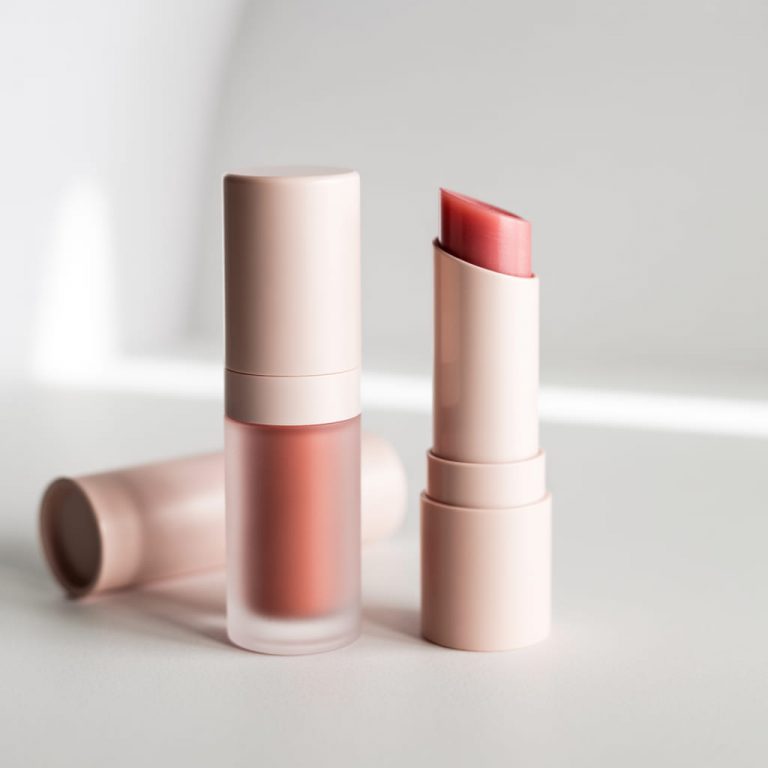
Color signals vitality. After hours of wear, makeup can fade into neutrality. A cream blush applied lightly to the apples of the cheeks and blended upward restores dimension instantly. If you have only a lip product, dab it onto your cheeks and blend with your fingers.
Stick formulas are ideal for quick resets because they melt into the skin rather than sit on top. The goal is not intensity. It is warmth.
Minute Six: Fix the Hair at the Crown
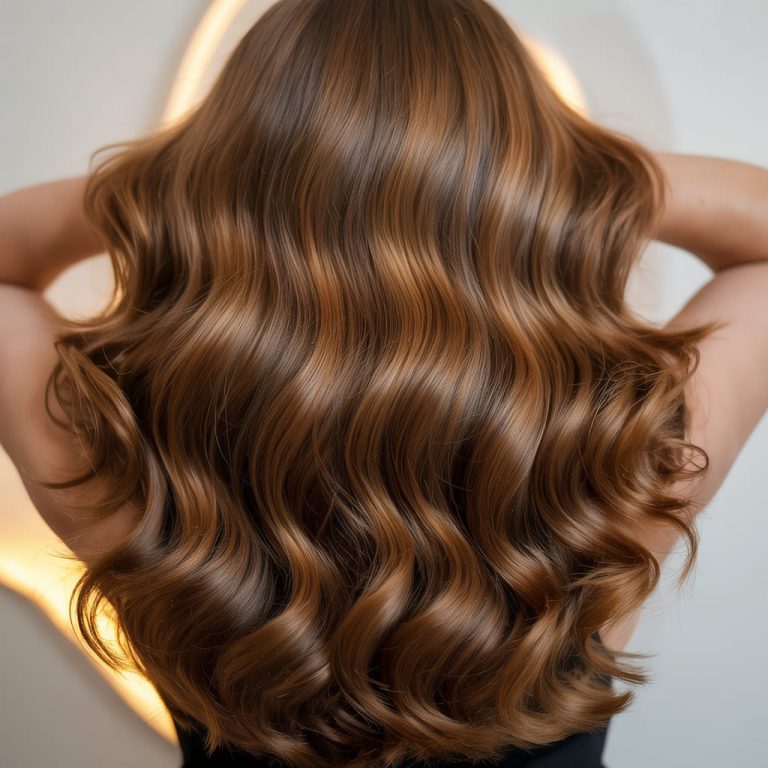
Hair volume collapses first at the crown. This creates a flattened silhouette. Flip your head forward briefly and massage your roots. If you have travel-size dry shampoo, spray lightly at the crown and shake through.
If frizz is the issue, smooth a pea-sized amount of hand cream between your palms and press gently over flyaways.
If your hair feels unmanageable, a sleek low bun or low ponytail often looks more intentional than fighting texture. Structured hair changes everything.
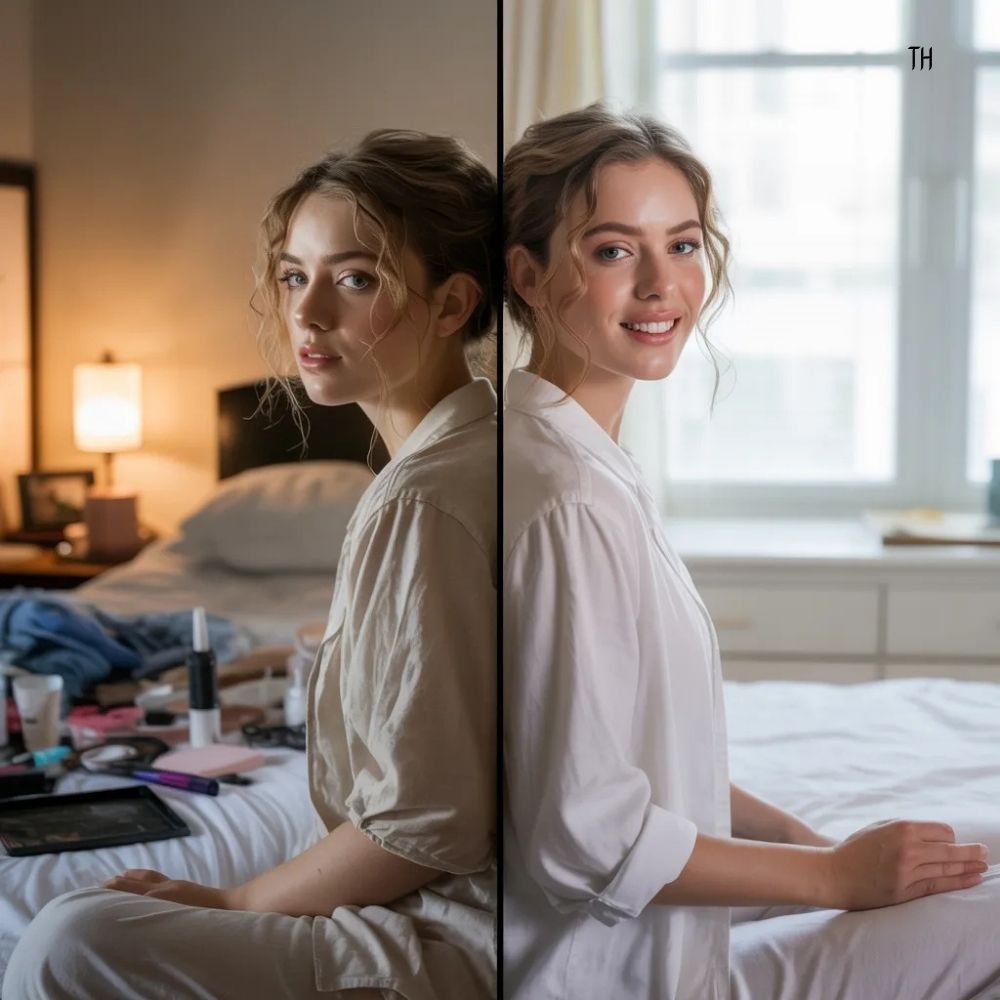
Minute Seven: Clean Up the Edges
Polish lives in small corrections.
- Check for mascara smudges beneath the eyes.
- Remove lipstick from your teeth.
- Blend harsh contour lines.
- Straighten your collar.
- Re-tie your ponytail evenly.
These micro-adjustments often matter more than adding product. Attention to detail signals self-awareness.
Minute Eight: Refresh Your Lips
Lip color anchors the lower half of your face. Even if you are not wearing bold lipstick, reapplying tinted balm creates cohesion. Choose a shade slightly deeper than your natural lip tone for subtle emphasis.
Avoid matte reapplication without exfoliating first, as it can emphasize dryness. Hydrated lips read as healthy and composed.
Minute Nine: Adjust Your Outfit Strategically
Looking put together in 10 minutes is not only about your face.
Tuck in your shirt intentionally rather than halfway. Roll sleeves evenly on both sides. Smooth visible wrinkles with damp hands in the restroom.
If wearing a blazer or jacket, adjust the shoulders so they sit symmetrically. Balance matters more than complexity.
Minute Ten: Control Your Energy
After completing physical adjustments, pause briefly. Take one slow breath. Make eye contact with yourself. Relax your mouth. Confidence seals the reset.
No product can compensate for nervous energy. Calm presence enhances everything you just adjusted.
Real-Life Emergency Scenarios (and What to Do)
Because looking put together in 10 minutes often happens outside the house, here are specific situations and solutions.
Scenario One: Unexpected Work Meeting
You thought it was a casual day. Suddenly you are pulled into a client meeting. Focus on brows, shine control, and posture. Add a neutral lip shade. Tie hair back if necessary. Straighten your blazer or structured layer. You need clarity, not glamour.
Scenario Two: Running Into Someone You Know
You are in grocery-store mode. Hair messy. Minimal makeup. Smooth hair back into a low bun. Add lip balm. Lift posture. Brush brows upward. That combination alone transforms casual into composed.
Scenario Three: After a Long Day
Makeup has faded. Hair has flattened. You feel tired. Blot shine. Add cream blush. Touch up under-eyes. Add a drop of facial mist if you carry one. Re-brush hair at the crown. Small recalibrations counteract fatigue.
The Psychology of Looking Polished
Looking put together is less about aesthetic perfection and more about visual stability. When lines are symmetrical, shine is controlled, color is balanced, and posture is upright, observers read you as confident and capable.
This perception influences how people respond to you, which in turn reinforces how you feel about yourself. Polish is reciprocal.
When You Have Absolutely Nothing With You
If you are product-free, rely on physical reset.
- Wash your hands and use damp fingertips to smooth flyaways.
- Splash cool water on your face.
- Massage your jawline gently upward.
- Adjust your clothing deliberately.
- Stand upright.
Even without cosmetics, structure creates polish.
Final Thoughts
Learning how to look put together in 10 minutes is not about vanity. It is about agency. You will have rushed mornings. You will have long afternoons. You will have moments where the mirror surprises you.
Knowing how to recalibrate quickly gives you control. Polish is rarely about perfection. It is about restoring alignment. And alignment, once practiced, becomes instinct.