A Practical Way to Refresh Old Clothes and Actually Wear Them Again
A few months ago, a shirt came out from the back of my closet, the kind that hadn’t been ruined or dated, just quietly dulled by being worn the exact same way for too long. Nothing was technically wrong with it. It simply no longer sparked anything.
It had slipped into that familiar category of “maybe, if everything else is dirty,” which is basically clothing purgatory. I held it up under overly dramatic lighting, studied it like it owed me an explanation, and caught myself thinking, I used to love you. What happened?
The donation pile was only a moment away when something made me pause. Maybe it was nostalgia. Maybe curiosity. Or maybe the very practical realization that I didn’t want to spend money replacing something that still had potential.
Instead of letting it go, I decided to give it one last, very low-effort experiment. Nothing dramatic. Nothing crafty. Just a small tweak to see if it could still earn its place in my life.
To my surprise, that tiny change made a real difference. The shirt didn’t become new, but it stopped feeling tired. That moment turned into the method I now use whenever a piece in my closet feels forgotten rather than finished.
Where My “Old Clothes Problem” Actually Came From
Before I found this method, I blamed my clothes for looking tired. I assumed they were stretched out, worn down, or just out of step with whatever the current aesthetic was. But eventually I realized the problem wasn’t the clothes at all. It was the way I had been wearing them.
I had fallen into outfit autopilot. Same shirt, same jeans, same pairing of accessories, same hairstyle every time.
Even the most beautiful piece in the world will start to feel dull if you never change the way you style it. I wasn’t bored of the clothes; I was bored of my own styling habits. Something needed to change, and that something, as it turns out, didn’t require shopping at all.
The Method That Changes Everything: Alter Just One Element
Here’s the simple rule that revived my wardrobe. Before giving up on an old item, I change just one thing about how I wear it. Not the whole outfit, not the structure of the garment, not anything that requires scissors or sewing needles. Just one thoughtful shift in how the piece exists in the outfit.
Sometimes I adjust the silhouette and give it a tuck or a knot. Other times I change what it’s paired with so the textures contrast in a new way. Occasionally I play with proportions by layering something longer or shorter over it.
And on my most creative days, I completely rethink the function of the piece and wear it differently than originally intended.
What surprised me most is how often that one tiny shift is enough. The shirt that felt dull suddenly feels styled. The sweater that felt tired suddenly feels modern.
The dress that felt flat suddenly feels dynamic. One little change can do more for a piece of clothing than any expensive shopping spree.
How I Actually Put This Into Action
Let me walk you through what this looks like in everyday life. I’ll start with silhouette, because shifting the shape of a piece is by far the fastest and easiest way to make it feel new again.
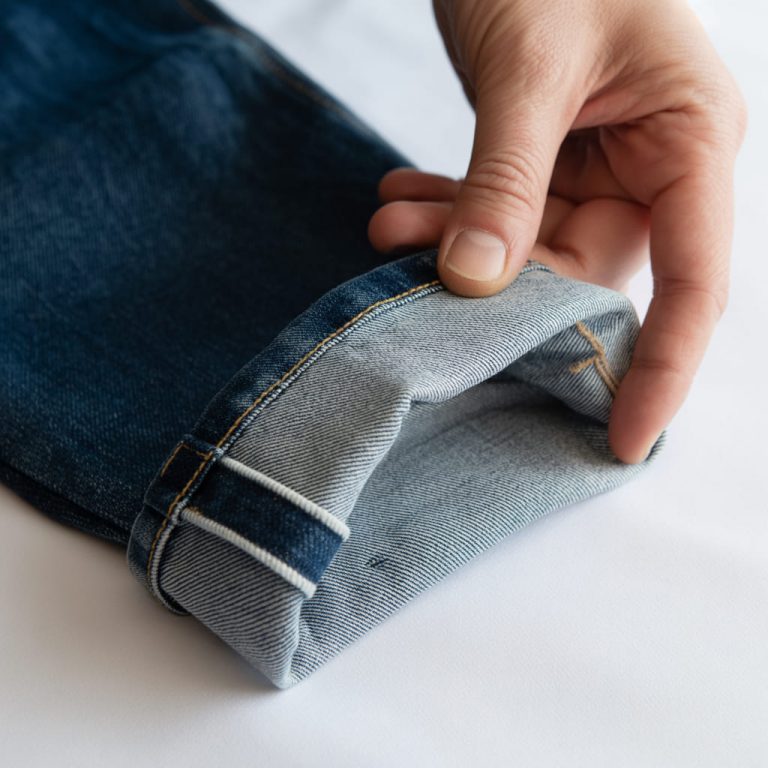
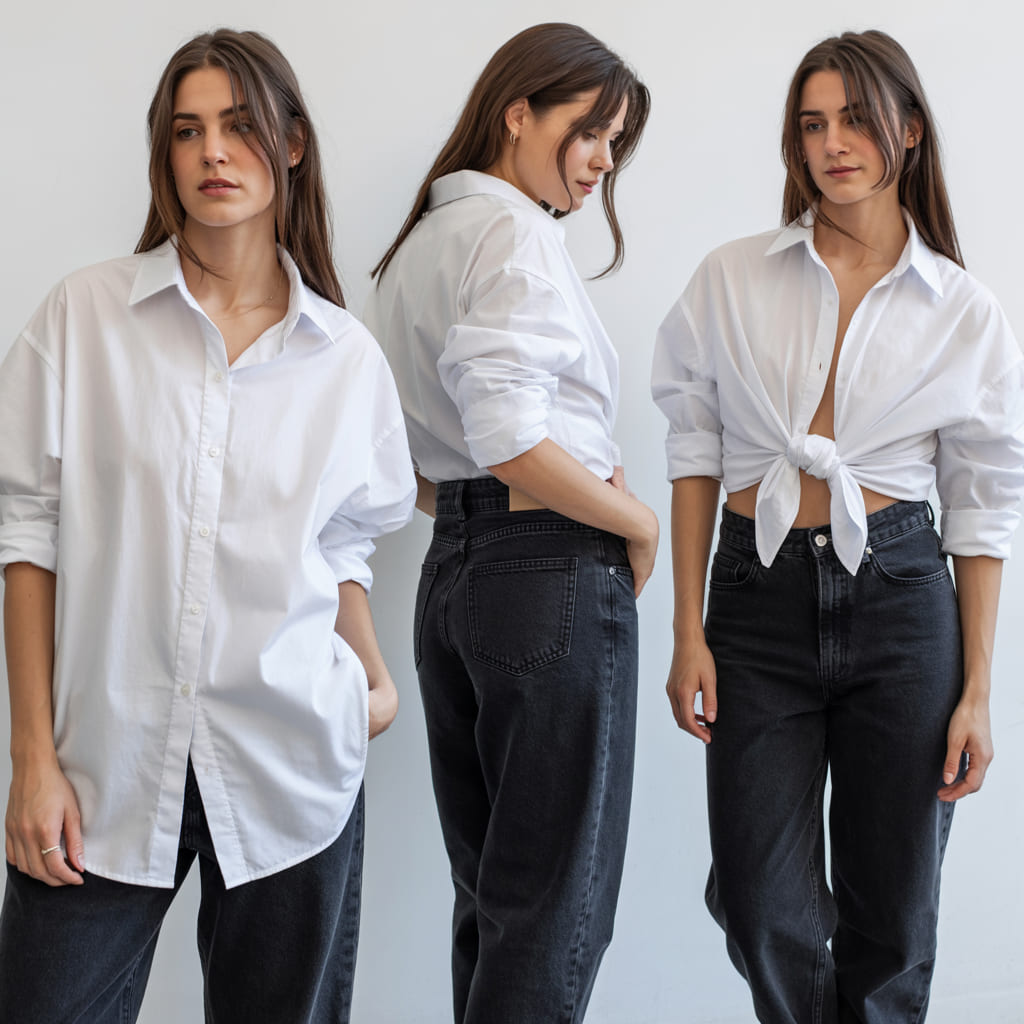
A shirt that hangs limply can instantly feel refreshed with a casual tuck at the front, a full tuck for structure, or a tie at the waist for shape. Rolling the sleeves adds an element of intention that gives even the simplest top a modern feel.
When that alone doesn’t work, I look to texture. Texture is basically conversation between fabrics, and sometimes old clothes just need new conversational partners. A plain tee can feel reborn under a structured blazer.
A basic dress becomes more compelling with a chunky knit thrown over it. A simple blouse looks elevated when paired with leather, linen, or denim. Changing the fabric relationship alters the entire personality of the outfit without requiring anything new.
Then there are proportions, which might be the most impactful of all. Sometimes an outfit feels dated simply because the balance is off. If a top feels too long, I visually crop it by tucking just a bit of fabric into my waistband or by layering a shorter jacket over it.
If a dress feels too plain, I add a longer coat to give it drama and shape. If an outfit feels boxy, I add something fitted beneath or above it. Proportion doesn’t change the piece; it changes the context, and context is everything.
And when I’m feeling a little bold, I change the function of a piece entirely. A button-up shirt becomes a lightweight jacket when left open over a tank. A long dress becomes a skirt when I toss a sweater over it. A scarf becomes a belt or a headband.
I’ve even worn wrap tops as cardigans and thin sweaters tucked strategically to create the illusion of a cropped style without cutting anything. Clothes are more flexible than we give them credit for, and half the fun is treating them that way.
A Real Example: The Sweater That Nearly Ended Up in a Donation Bin
I once had a beige sweater — perfectly fine, perfectly wearable, perfectly uninspiring. It was soft and neutral, which meant I should have loved it, but every time I put it on, I sighed. It just felt predictable. I decided to run it through the method before letting it go.
First, I played with the silhouette and gave it a loose front tuck. Better, but still not quite alive. Then I added texture by pairing it with a silky scarf.
It grew a bit more interesting, but it still didn’t excite me. I layered a long camel coat over it, hoping proportion would rescue it. The outfit looked elevated, but the sweater still felt like it had one foot in retirement.
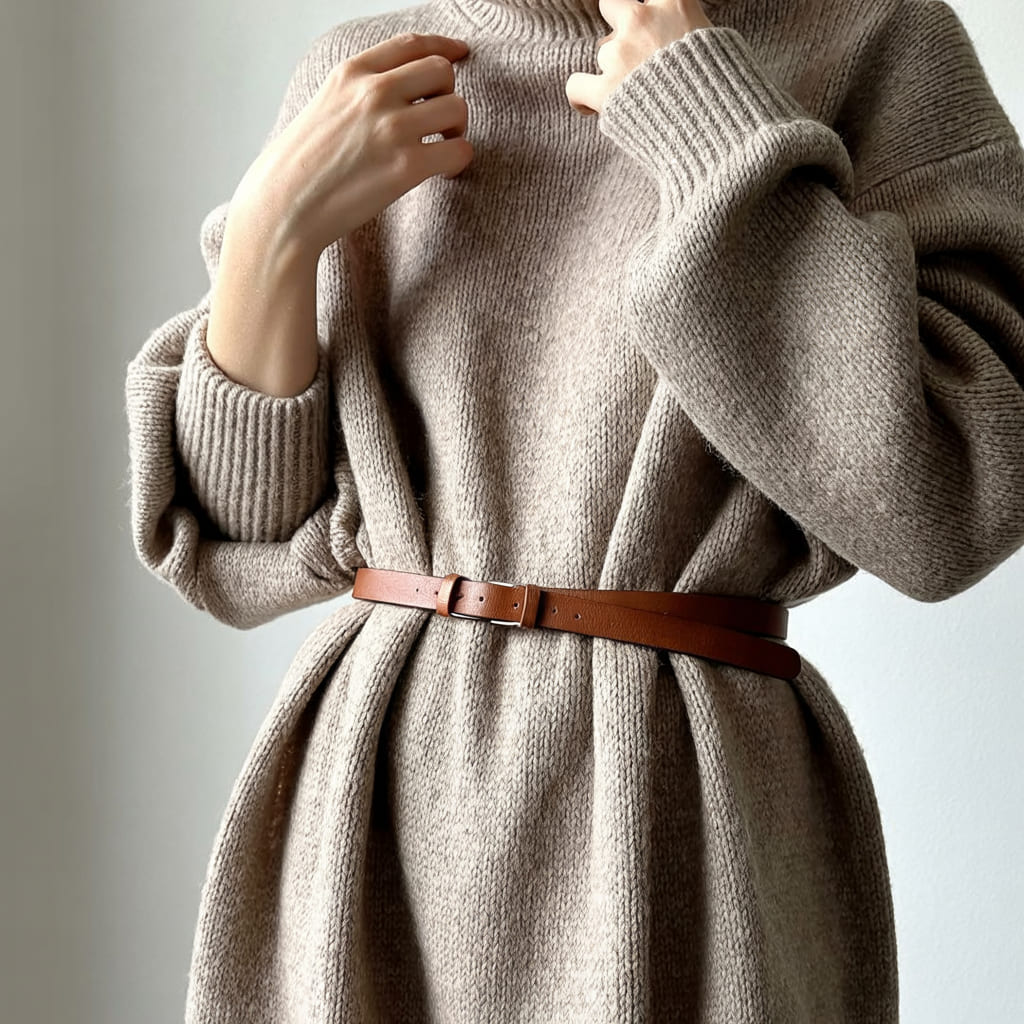
Then I tried the function shift. I grabbed a slim belt and wrapped it around the sweater, slightly above my natural waist. I bloused the fabric so it draped softly over the belt instead of hugging it. Suddenly the sweater wasn’t just a sweater. It was a styled piece with intention.
Your Closet Probably Isn’t Boring, You Just Stopped Playing
If you’ve been tempted to overhaul your wardrobe, try this method first.
Pick one item you’ve ignored for months and change a single thing about how you style it. Shift the silhouette. Introduce a different texture. Adjust the proportions. Rethink its function. One small change can completely transform your relationship with a piece.
You might be surprised to find that your closet isn’t tired at all. It just needed you to experiment again. And honestly, so much of great style starts with that.