The Right Way to Start Retinol Without Compromising Your Skin
Retinol has earned its reputation. Few skincare ingredients have been studied as extensively or praised as consistently for their ability to improve texture, stimulate collagen, refine pores, and reduce breakouts.
Dermatologists recommend it. Beauty editors rely on it. Skin longevity conversations almost always include it. Yet for all its benefits, retinol carries an equally persistent warning.
Used incorrectly, it can leave skin irritated, flaky, tight, and reactive. The same ingredient that promises refinement can temporarily disrupt the very barrier it aims to strengthen.
Learning how to introduce retinol without damaging your skin is not about fear. It is about respect. Retinol is powerful. Power requires pacing.
Why Retinol Deserves a Thoughtful Introduction
Retinol is a derivative of vitamin A. Once applied to the skin, it converts into retinoic acid, the active form that communicates with skin cells. This communication increases cell turnover, boosts collagen production, and regulates oil production. That acceleration is where both benefit and risk reside.
When skin cells turn over more quickly than they are accustomed to, temporary irritation may follow. Redness, dryness, peeling, and sensitivity often occur during the adjustment phase. This process is sometimes referred to as “retinization,” but it should not be confused with unavoidable damage.
The key distinction lies in intensity. Mild dryness can be part of adaptation. Persistent burning or inflammation signals that the introduction pace was too aggressive. Understanding how to introduce retinol gradually prevents unnecessary barrier disruption.
Choosing the Right Retinol Strength
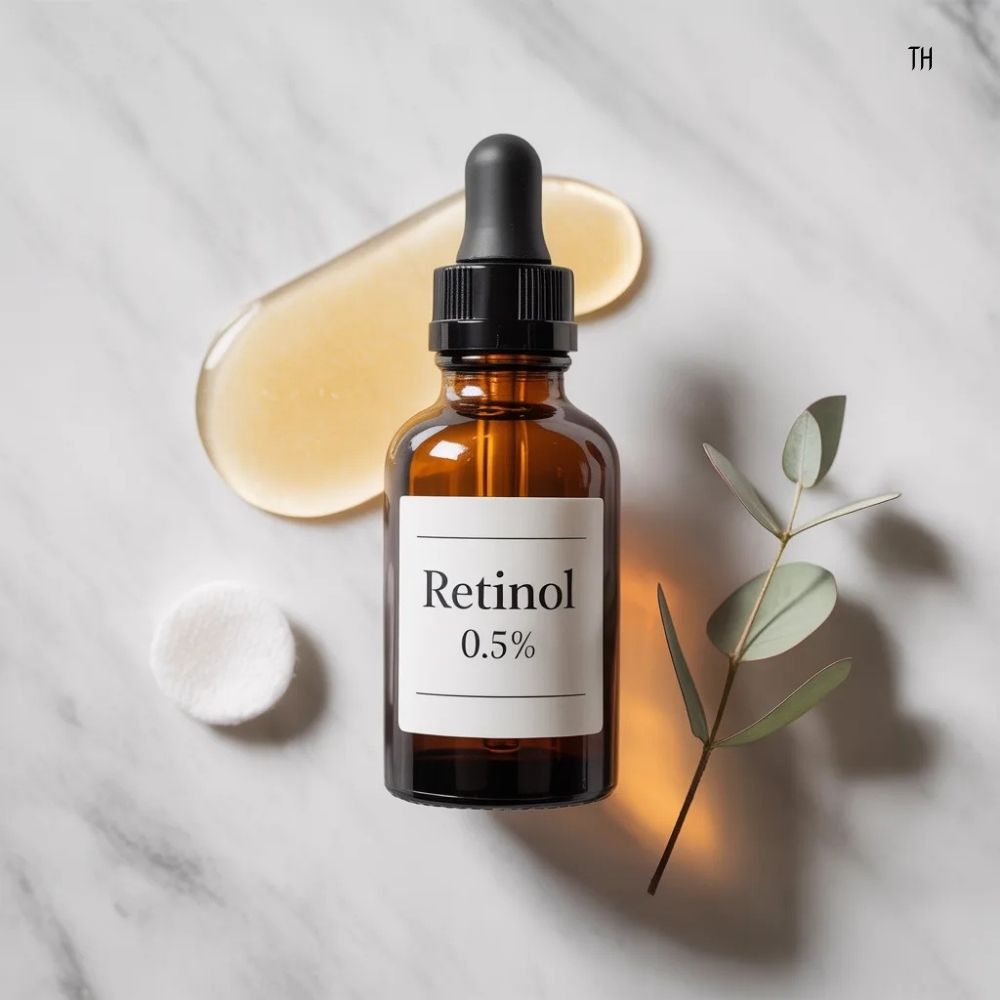
Before you introduce retinol into your routine, strength matters. Many formulations range from 0.1 percent to 1 percent concentration. Beginners benefit from starting low.
A lower concentration allows the skin to adapt without overwhelming it. There is a persistent misconception that stronger is always better. In reality, consistency produces better long-term results than intensity.
When selecting a retinol product, consider your skin history. If you have used exfoliating acids frequently or have sensitive skin, begin conservatively. A 0.25 percent formulation often provides sufficient stimulation without excessive irritation. Introducing retinol is not a competition. It is a calibration.
Preparing the Skin Before You Introduce Retinol
Before adding retinol, evaluate your current routine. Over-exfoliation and multiple active ingredients increase sensitivity and raise the likelihood of irritation once retinol is introduced.
If your skincare lineup includes strong exfoliating acids, benzoyl peroxide, or high concentrations of vitamin C, consider simplifying temporarily. Supporting your skin barrier for two to three weeks before you introduce retinol creates a stronger foundation.
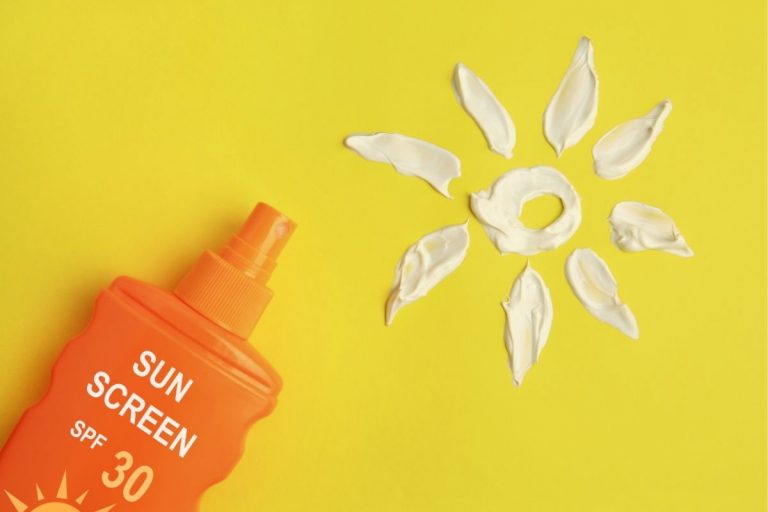
Focus on gentle cleansing, adequate hydration, and daily sunscreen use. A stable barrier tolerates new ingredients more effectively than an already compromised one. Preparation is often overlooked, yet it significantly reduces retinol irritation.
How to Introduce Retinol Gradually
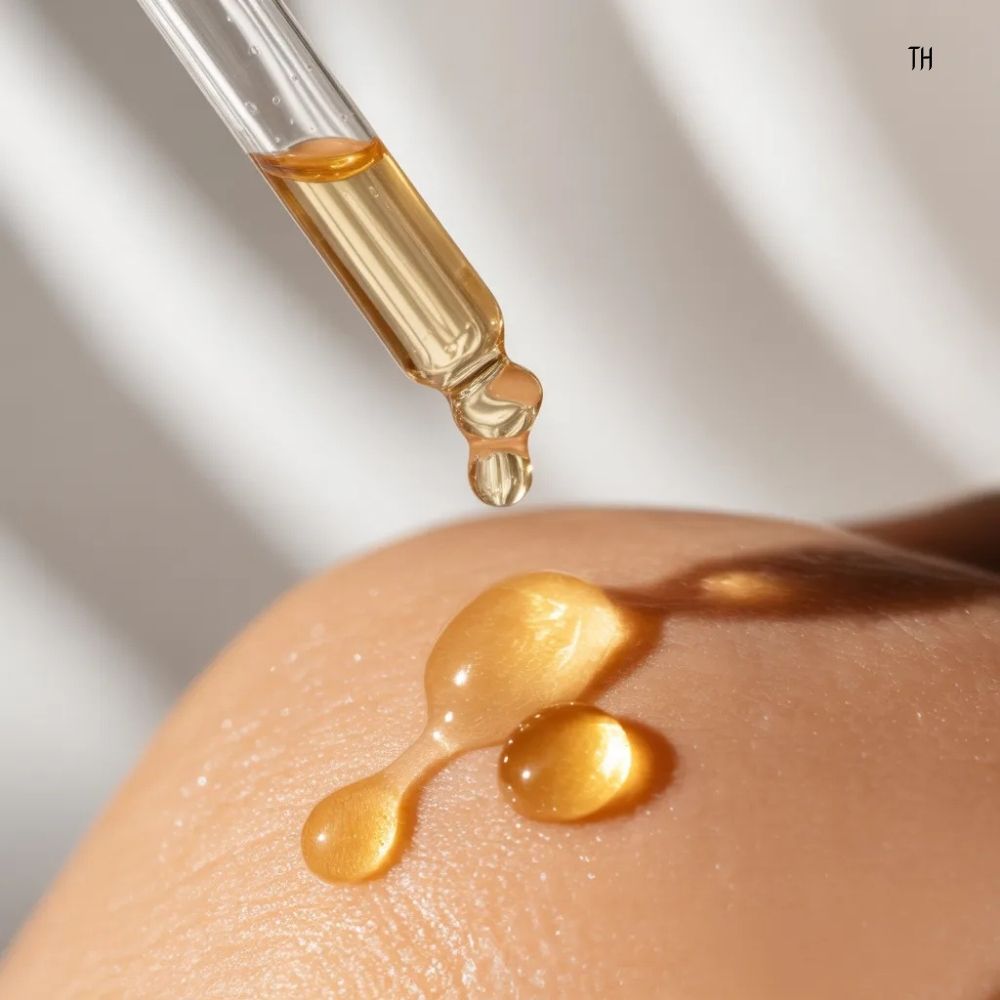
The safest way to introduce retinol is through controlled frequency rather than daily use from the beginning. Start with once or twice per week during the evening. Observe how your skin responds over the following days. If dryness remains mild and manageable, maintain this frequency for at least two weeks before increasing.
After several weeks of tolerance, you may move to every other night. Some individuals never need to progress beyond three to four nights per week to see meaningful results.
Introducing retinol slowly allows collagen stimulation to occur without triggering inflammation that undermines progress.
The Sandwich Method for Sensitive Skin
If your skin is prone to sensitivity, a buffering technique often called the “sandwich method” can help reduce irritation. Apply a thin layer of moisturizer first, then your retinol, followed by another layer of moisturizer. This technique slightly dilutes the penetration speed of retinol while preserving its effectiveness.
While purists sometimes argue that retinol should be applied directly to bare skin, barrier protection remains more important than maximal absorption for beginners. Introducing retinol with a moisturizer buffer often improves compliance and comfort.
Avoiding Common Retinol Mistakes
Several mistakes commonly occur when people introduce retinol for the first time. Applying too much product is one of the most frequent errors. A pea-sized amount is sufficient for the entire face. Excess does not accelerate results; it increases irritation.
Layering multiple actives on the same night can also provoke unnecessary inflammation. Retinol already stimulates turnover. Combining it with exfoliating acids amplifies stress.
Finally, neglecting sunscreen undermines retinol’s benefits. Increased cell turnover can heighten sun sensitivity. Daily SPF is non-negotiable when using retinol. The process of introducing retinol should feel controlled, not reactive.
What to Expect During the Adjustment Phase
When you introduce retinol properly, mild dryness or subtle flaking may occur within the first few weeks. This does not mean the ingredient is incompatible. It signals that cellular activity has increased.
However, persistent stinging, visible inflammation, or barrier compromise indicates that frequency or strength should be reduced. Pausing for several days and focusing on hydration can restore stability.
The difference between productive adjustment and harmful irritation lies in severity and duration. If discomfort feels disproportionate, scaling back is wise. Patience is essential. Collagen remodeling occurs over months, not days.
How Long Before Results Appear
Retinol is not an instant solution. Improvements in texture and brightness often become visible within four to six weeks. Collagen-related benefits, such as reduction in fine lines, may require three to six months of consistent use.
Understanding this timeline prevents overuse in pursuit of faster results. Increasing frequency prematurely does not shorten the process. It increases risk. When you introduce retinol with discipline, the results tend to be steadier and more sustainable.
Who Should Avoid Retinol
Retinol is not appropriate for everyone. Individuals who are pregnant or breastfeeding are typically advised to avoid retinoids. Those managing severe rosacea or compromised barriers should consult a dermatologist before use.
For extremely sensitive skin types, alternatives such as bakuchiol may offer gentler stimulation, although they do not replicate retinol’s exact mechanism. The decision to introduce retinol should align with personal medical context.
Retinol and Long-Term Skin Health
When introduced properly, retinol remains one of the most evidence-backed ingredients for long-term skin improvement. Its ability to stimulate collagen and regulate turnover supports both acne management and signs of aging.
However, longevity depends on pacing. Introducing retinol without damaging your skin requires restraint. Skincare culture often encourages acceleration. Retinol rewards patience.
Final Reflection
Retinol is powerful, but power does not demand aggression. Learning how to introduce retinol carefully allows your skin to benefit from its transformative potential without unnecessary irritation.
Start slowly. Use less than you think. Support your barrier. Protect your skin with sunscreen. Increase frequency gradually. When approached with clarity and respect, retinol becomes not a disruptive force, but a steady ally in long-term skin health.
In skincare, progress is rarely about intensity. It is about consistency, balance, and listening to what your skin communicates. And when you introduce retinol properly, your skin tends to respond in kind.