The Easy Shopping Rule I Use Before Buying Anything Unplanned
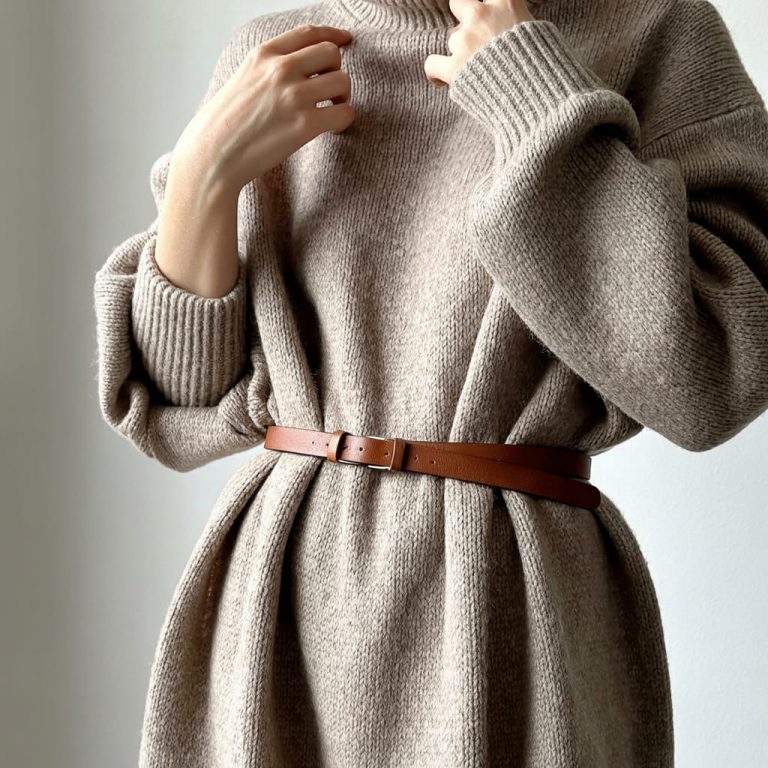
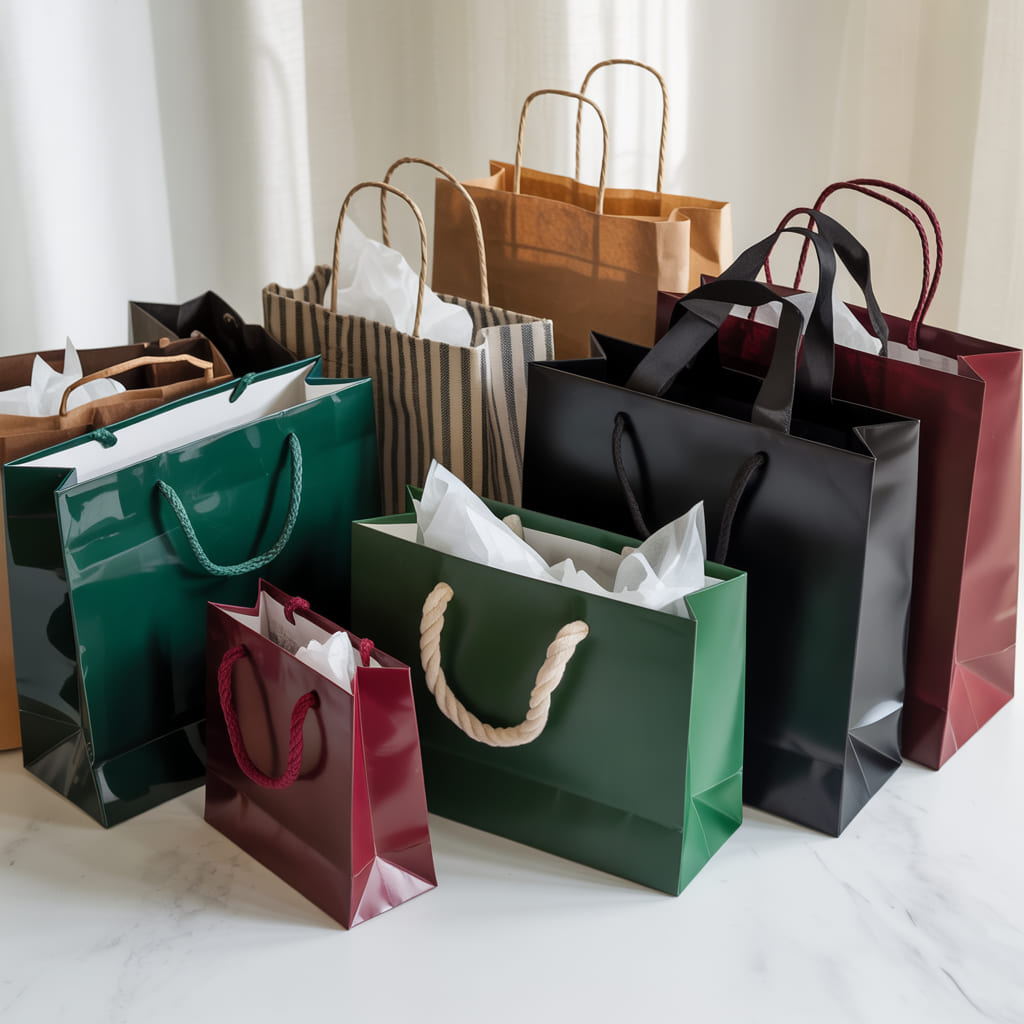
Yesterday ended with an unexpected shopping bag on the kitchen counter, the kind that comes from a store meant only for browsing. Inside was a sweater that was, objectively, very pretty.
Holding it up brought a moment of quiet confusion. Not because it wasn’t nice, but because something about it felt familiar. Too familiar. It took only a few seconds to picture its near twin already hanging in the closet.
A small laugh slipped out, followed by the honest question, “Why did I buy this?” Not out of regret, but out of gentle curiosity. The kind that shows up when you realize a choice was made in a moment rather than with intention.
The answer wasn’t complicated. I had been tired, slightly overstimulated, and craving a bit of comfort. Shopping filled that space briefly, right up until the sweater was placed next to its almost-identical counterpart and the spell wore off.
That moment marked a shift. Not toward stricter rules or self-denial, and definitely not toward guilt. Just toward a more thoughtful pause, one that helps separate what’s actually needed from what feels good for five minutes.
Out of that pause came a single shopping rule I still use, one that quietly protects me from impulse buys that look lovely in the moment but don’t add anything meaningful once I get home.
Where My Impulse Shopping Really Came From
For the longest time, I thought impulse buying was about lack of discipline, but I learned it had very little to do with discipline and everything to do with emotion. I shopped when I felt rushed. I shopped when I felt overwhelmed. I shopped when I wanted to feel more in control.
Buying something new gives you that tiny thrill that lights up your brain for just a moment. But the thrill fades quickly, and what you’re left with is an item that might not fit your lifestyle, your wardrobe, or your actual needs.
I started noticing patterns. Every impulse buy came from a moment of wanting something to feel easier. Shopping was a shortcut to comfort. What I didn’t understand then was that the shortcut rarely lasted.
The Thoughtful Shopping Rule
The rule that changed everything is unbelievably simple, but I had to practice it over and over before it became part of my routine. Before I buy anything, I ask myself: “Where will this live in my life?”
Because clothes, home items, beauty products, even kitchen gadgets, they don’t exist in a vacuum. They exist in my rhythms, my routines, my daily movements. And if something doesn’t have a place in those rhythms, it will eventually become clutter.
This question snaps me out of the moment in the gentlest way. It forces me to picture the item in my real world, not my imagined one. It’s a compassionate pause, not a strict rule.
How This Rule Plays Out in Real Situations
The power of this question is that it creates clarity instantly. Let me show you how it plays out in the places where impulse shopping used to take over my decision-making.
1. When I see a beautiful sweater
I picture my closet and ask where this fits in my actual life. If I already have three similar ones, or if the weather doesn’t support wearing sweaters often, I can admit it without guilt. The sweater becomes easier to walk away from because I’ve connected it to reality instead of fantasy.
2. When I see a dress for a situation I’m not actually attending
I used to buy outfits for imagined events: “Maybe I’ll need this for a dinner someday.” Now, I ask where it fits into my real schedule. If it doesn’t match the life I’m living, it stays in the store.
3. When I see a home item that looks inspiring
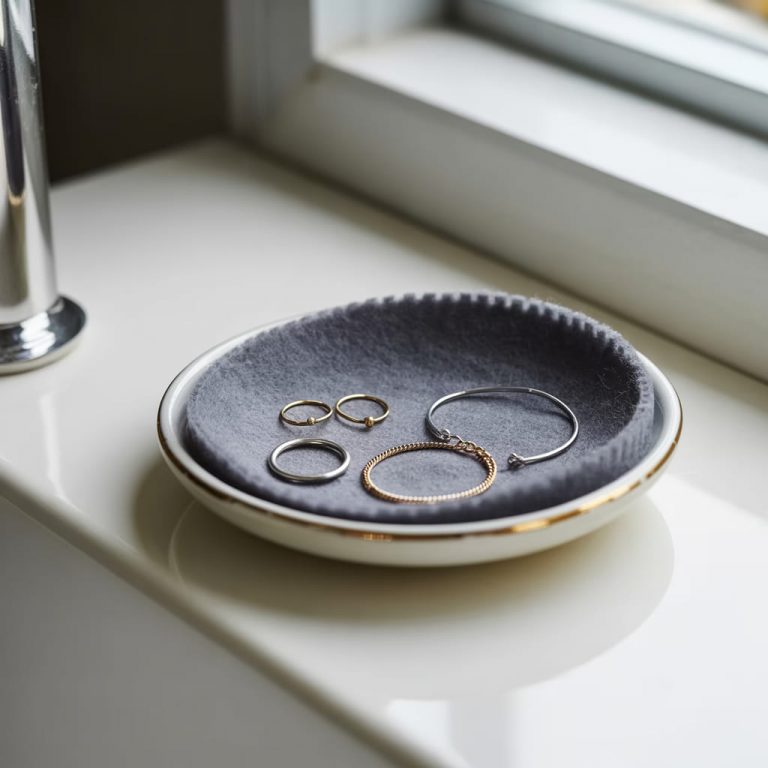
Maybe a vase, maybe a tray, maybe a decorative object that feels irresistible. I ask myself where it would live in my home. If I can’t imagine it enhancing a space I already use and love, it no longer feels essential.
4. When a beauty product promises transformation
I picture where it fits into my routine. If I cannot imagine myself reaching for it consistently, the answer becomes obvious.
This question saved me from dozens of purchases, not by restricting me but by guiding me gently toward intention.

Why This Rule Works So Well for Someone Like Me
I am someone who loves beauty, softness, comfort, and aesthetics. I love items that spark joy, as they say. But joy is not the same as usefulness. And joy is not the same as belonging in my life.
What I learned is that intention is not about being strict. It is about being clear.
This rule works because:
- It respects my desire to have lovely things.
- It reminds me of the life I’m actually living.
- It protects me from buying things that match a version of myself I’m not trying to be.
- It prevents shopping from becoming emotional clutter.
- It brings a calm truth into moments of excitement.
It’s like having a soft, honest conversation with myself before committing to anything.
The Moment This Rule Truly Became a Habit
A few months after creating this rule, I was in a store and saw a pair of heels that made my heart skip a beat. They were beautiful. I picked them up, turned them around in my hands, and imagined how lovely they would look in my closet.
And then, almost automatically, the question appeared in my mind: “Where will this live in my life?”
I pictured my daily routine: walking to work, weekend errands, dinners with friends, grocery runs, the simple rhythm of my days. Nowhere in that rhythm did I see myself wearing those heels. They were meant for a life with red carpets and cocktail parties, neither of which I attend regularly.
I put them down, not with sadness but with relief. The shoes were beautiful, but they belonged to a different life. A life I admire, but not one I inhabit. Walking away felt like choosing myself.
Buying Less, Loving More
If you’ve ever brought home an item you didn’t need, or felt a pang of regret after an impulse purchase, or found yourself shopping to fill an emotional gap, try asking yourself this one simple question the next time you pick something up: “Where will this live in my life?”
For me, this rule became a soft boundary, a quiet compass, and a way to care for my future self. It helped me build a closet I love, a home that feels settled, and a life that reflects intention rather than impulse.